Key takeaways
- Compare the best gas caps for common evap codes, worn seals and lost tethers, with OE-fit regular and locking picks matched to GM, Ford and more.
Disclosure: As an Amazon Associate, I earn from qualifying purchases.
A gas cap is the smallest part in the evaporative emissions system, and the first thing to check when the check-engine light comes on with an evap code. Codes P0440, P0442 and P0455 all describe leaks in the system that traps fuel vapor, and a cap that is loose, cross-threaded or running on a cracked, hardened seal is the cheapest possible cause. Try the cap first because it costs little and takes a minute — not because it is always the culprit. Purge valves, split vapor hoses and rusted filler necks set the same codes, and if a fresh, correct cap does not clear the light after a few drive cycles, the answer is more diagnosis, not more parts. The five caps below are OE replacements for GM and Ford necks, plus locking caps from the three dominant brands.
How to Choose
Match the filler neck design first. Modern caps come in two families: threaded caps that screw into the filler neck, and push-in or quarter-turn caps that lock with tabs. They are not interchangeable — thread pitch, diameter and seal depth all differ by application. Shop by the OE part number your old cap crosses to, or by the listing’s fitment chart.
Understand vented versus non-vented. On older vehicles, some caps are vented: they let air into the tank as fuel is used, and in some designs they are the tank’s only vent. Most modern caps are non-vented emissions-control designs with calibrated valves; the evap system vents through the charcoal canister. A non-vented cap on a car designed for a vented one can starve the fuel pump or even collapse a tank; a vented cap on a modern car can set evap codes.
Know the click. A healthy modern cap ratchets: turn it clockwise until it clicks, and that click is a torque limiter telling you the seal is compressed to spec. A cap that no longer clicks, spins without resistance, or clicks while its seal looks cracked or flattened is done — the ratchet and the gasket are the two wear items, and both are reasons to replace.
Decide honestly about locking caps. A locking cap deters casual siphoning and fuel theft, a real benefit for vehicles parked on the street. The trade-offs: a key to track for the life of the car, a lost key at the pump as its own roadside problem, and the cheapest no-name locking caps, whose sloppy tolerances can themselves leak vapor and set evap codes.
Check whether your car even has a cap. Capless systems, such as Ford’s Easy Fuel, seal the filler pipe with a spring-loaded flap inside the neck. No cap listing fits them; if a capless car sets an evap code, suspect the flap seal, debris in the neck or the rest of the evap system.
Keep the tether. Most OE caps hang from a plastic tether so the cap is not left on the pump. A cap left behind at the station is an instant check-engine light on the drive home. If a replacement lacks a tether, transfer the old one.
The 5 Best Gas Caps
1. GM Genuine Parts GT261 Fuel Tank Filler Cap — The OE Replacement for GM Necks

Specs
- Brand: GM Genuine Parts (ACDelco Original Equipment)
- Model: GT261; OE part number 19207873
- Closure type: Threaded, twist-on with ratcheting click
- Warranty: 24 months / unlimited miles on parts
For a GM car or truck with a threaded filler neck, this is the cap the vehicle was built with. The thread form, ratchet torque and gasket compound are all the original specification, so it seals the way the evap monitor expects. If your Silverado, Equinox or Impala is flagging a small evap leak and the old cap’s seal looks glazed or nicked, this is the lowest-risk first step. Match the GT261 to your model year; GM used several cap designs in the same years.
2. Motorcraft FC961 Fuel Cap — The Push-In Pick for Ford Applications

Specs
- Brand: Motorcraft (Ford OE parts line)
- Model: FC961; manufacturer part number FC961
- Style: Push-in fitment
- Fit type: Vehicle-specific, Ford applications
Ford owners with push-in style filler necks should start with the Motorcraft catalog rather than universal caps, because a push-in cap’s tabs must match the neck’s notches exactly — a near-fit pops loose or chews up the neck. The FC961 is Ford’s own part, built to Motorcraft’s OE durability standard. One warning: if your Ford has the Easy Fuel capless filler, there is no cap to replace and this part has nothing to attach to.
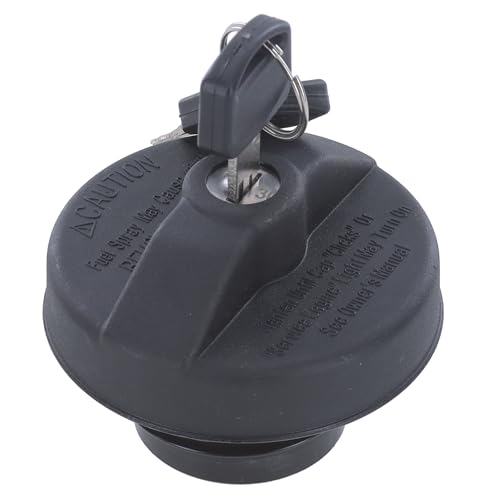
3. MotoRad 10504 Regular Locking Fuel Cap — The Mainstream Locking Choice
Specs
- Brand: MotoRad (the line formerly sold under the Stant name)
- Model: 10504
- Type: Regular locking fuel cap, keyed lock
- Emissions: Built to OE performance and safety standards for evap systems
MotoRad, which absorbed the long-running Stant cap line, is the default name in locking caps, and the 10504 is its mainstream regular locking model. Its lock cylinder and pressure and vacuum valving are built to the same OE performance standards as the non-locking versions — the security of a lock without an evap system that complains about it. Keep the spare key somewhere other than the glovebox. And accept the failure mode honestly: a lost key means a cap that has to be forced off.
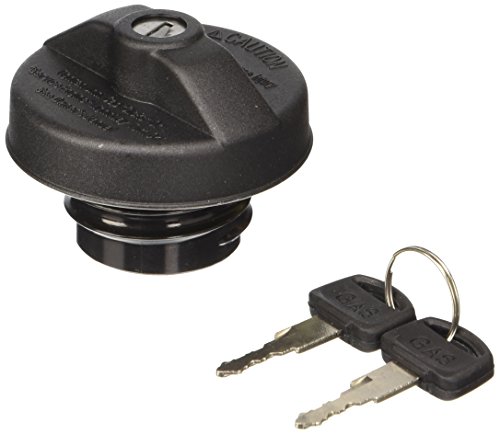
4. ACDelco Professional 12F20L Locking Fuel Tank Cap — The Professional-Line Locker
Specs
- Brand: ACDelco Professional
- Model: 12F20L; GM part number 19114771
- Type: Locking fuel tank cap
- Fit type: Vehicle-specific applications
ACDelco’s Professional line is its premium aftermarket tier, and the 12F20L is the locking entry in that catalog. It suits GM applications primarily, with cross-references into other makes, and it is the pick for a buyer wary of the generic end of the market: its seal quality and ratchet feel are a step above the unbranded locking caps, and seal quality is precisely what keeps a locking cap from becoming an evap-code generator. Cross-check the 19114771 part number against your vehicle before ordering.
5. Gates 31783 Locking Fuel Tank Cap — The Ford-Focused Locking Option

Specs
- Brand: Gates
- Model: 31783
- Type: Locking fuel tank cap
- OE cross numbers: 97BB9K163BA/BB/BC, F8RZ9030BC, XU5A9K163FA
Gates builds the 31783 around Ford OE cross-references, making it the natural locking choice for the Ford cars and trucks those part numbers cover — mostly late-1990s and 2000s applications. Its valving meets OEM specifications and federal and state emissions requirements, so it behaves the way the car’s evap monitor expects. If you drive one of the covered Fords and park where fuel theft is a genuine concern, this is the locking cap that starts from your car’s own part numbers, not a universal claim.
Usage and Buying Notes
Replacing a cap is a two-minute job: remove the old one, wipe the filler neck’s sealing surface clean, check that surface for rust or nicks, then fit the new cap and turn it until it clicks. A rusted or pitted filler neck will leak past a brand-new gasket, and rust found now saves you blaming a good cap later.
After fitting a new cap for an evap code, give the car several drive cycles to judge the result — the evap monitor only runs under specific conditions of fuel level, temperature and driving pattern, so the light may take days to go out even when the cap fixed the leak. If the same code returns with a new, correct, clicked-shut cap, stop swapping caps. The next suspects are the purge valve, the vent valve, cracked vapor hoses and that rusted filler neck, and a smoke test finds the leak faster than a parts cannon does.
Never drive with the cap off beyond the trip to buy a replacement: an open neck vents raw fuel vapor, lets water and grit into the tank, and guarantees a check-engine light.
FAQ
Will a new gas cap fix my P0455 code?
Sometimes. P0455 is a large evap leak, and a missing, loose or failed cap is one of its most common causes, so the cap is the correct first check. But the same code is set by a stuck-open purge valve, a disconnected vapor hose or a rusted filler neck. If a correct new cap does not clear the code after several drive cycles, the leak is elsewhere.
How tight should a gas cap be?
Turn it clockwise until it clicks. The ratcheting mechanism is a torque limiter: the click tells you the gasket is compressed to the designed sealing force, and further effort seals it no better. If your cap never clicks, or clicks while feeling loose, its ratchet or gasket has failed.
Are vented and non-vented gas caps interchangeable?
No. Older vehicles were designed around vented caps that admit air as fuel is consumed; modern vehicles use sealed caps and vent the tank through the evap system. A non-vented cap on a vented-design car can cause fuel starvation or even a collapsed tank, and a vented cap on a modern car can set evap codes. Match the original cap’s venting type.
My car has a capless filler. Can I add a cap for extra protection?
There is nothing for a cap to attach to — capless systems like Ford Easy Fuel seal with a spring-loaded flap inside the filler neck, and no threaded or push-in cap fits that neck. If a capless car sets evap codes, the flap’s seal and debris in the neck are the first suspects. Have the flap inspected if codes persist.
Do locking gas caps cause check-engine lights?
A well-made locking cap from an established maker should not — its sealing and valving meet the same emissions specifications as a regular cap. The ones that cause trouble are the cheapest universal locking caps, whose loose tolerances and poor gaskets leak vapor. A locking cap also adds a risk of its own: lose the key and the cap must be forced off.
Conclusion
A gas cap is a diagnostic step as much as a part: for an evap code it is the cheapest and easiest first check. GM drivers should start with the OE GT261, Ford drivers with the Motorcraft FC961, and anyone who genuinely needs a lock should take it from MotoRad, ACDelco or Gates. Match the part number, match the venting type, tighten until it clicks — and if the light returns, go looking for the real leak.
More from Amazon
Programs that pair well with the guide above. Offers and eligibility are set by Amazon and may change.
Free shipping on eligible items, Prime Video and more. Eligible new members can start with a free trial.
Start a Prime free trialAudiobooks and podcasts to listen to on the go. Eligible new members can start with a free trial.
Try Audible freeAd-free music streaming. Eligible new subscribers can start with a free trial.
Try Music Unlimited freeA free business account with business pricing and bulk-buying tools for work, shop or home office.
Create a business accountAs an Amazon Associate we earn from qualifying purchases.