Key takeaways
- EVERY PURCHASE SAVES PETS
- POWERFUL PET CLEANING
- CORDLESS CONVENIENCE
The best handheld vacuums for pet hair are the Shark UltraCyclone Pet Pro+ for most homes, the Dyson Car+Boat for stronger suction and car interiors, and the BISSELL Pet Hair Eraser Lithium-Ion Hand Vacuum for a lower-cost upholstery cleaner.
Pet hair is harder to remove than ordinary crumbs because it works into fabric, carpet loops, stair edges, and vehicle seams. The deciding features are not suction alone: a motorized brush, a hair-resistant brush roll, a bin that is large enough for repeated cleaning, and a usable battery runtime matter just as much.
Our top picks
 Bissell Pet Hair Eraser Cordless Hand Vacuum
- EVERY PURCHASE SAVES PETS
- POWERFUL PET CLEANING
- CORDLESS CONVENIENCE
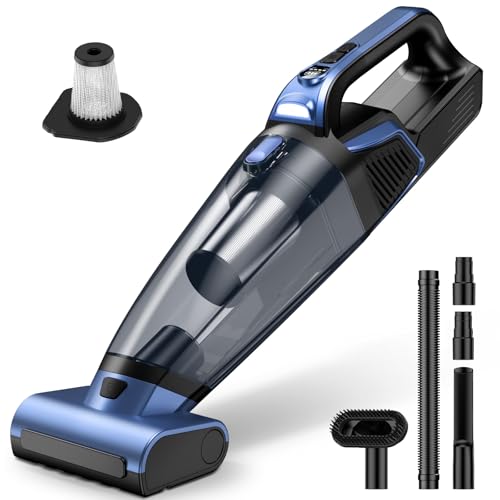 Pet Hair Handheld Vacuum Cordless: 20000PA Rechargeable
- 🔥Tired of stubborn pet hair? Meet the VC038S…
- "20000PA STRONG SUCTION: Enjoy reliable cleaning performance with…
- 32-MIN LONG RUNTING & 2.5H FAST CHARGING: This…
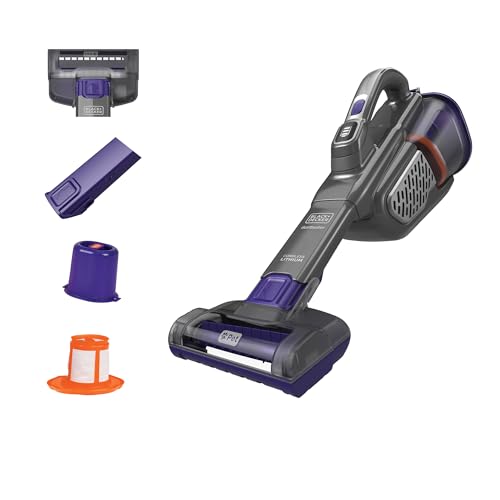 BLACK+DECKER dustbuster furbuster Pet Hair Vacuum with
- #1 brand in hand vacs**
- Optimal performance - 20V MAX* lithium-ion battery provides…
- POWERBOOST mode - more power with a touch…
| Product | Key specs | |
|---|---|---|
| Bissell Pet Hair Eraser Cordless Hand Vacuum | EVERY PURCHASE SAVES PETS POWERFUL PET CLEANING CORDLESS CONVENIENCE | Check price |
| Pet Hair Handheld Vacuum Cordless: 20000PA Rechargeable | 🔥Tired of stubborn pet hair? Meet the VC038S… "20000PA STRONG SUCTION: Enjoy reliable cleaning performance with… 32-MIN LONG RUNTING & 2.5H FAST CHARGING: This… | Check price |
| BLACK+DECKER dustbuster furbuster Pet Hair Vacuum with | #1 brand in hand vacs** Optimal performance - 20V MAX* lithium-ion battery provides… POWERBOOST mode - more power with a touch… | Check price |
 Honki Cordless Vacuum Cleaner for Home Honki Cordless Vacuum Cleaner for Home | 【400W/30Kpa Powerful Suction】: This cordless stick vacuum cleaner… 【6-in-1 Versatile Cleaning for Every Space】: Designed as… 【Convenient Wall-Mounted Charging & Storage】: This cordless stick… | Check price |
As an Amazon Associate we earn from qualifying purchases at no extra cost to you.
Best handheld vacuums for pet hair compared
| Model | Best use | Motorized tool | Approx. bin capacity | Approx. weight | Typical runtime | General market range |
|---|---|---|---|---|---|---|
| Shark UltraCyclone Pet Pro+ CH951 | Everyday upholstery, stairs, and pet beds | Self-cleaning pet power brush | 0.45 qt / 0.43 L | About 2.8 lb / 1.3 kg | About 20 minutes | $70–$110 |
| BISSELL Pet Hair Eraser Lithium-Ion Hand Vacuum | Budget spot cleaning and furniture | Motorized brush tool | About 0.7 L | About 4 lb / 1.8 kg, depending on version | About 15–20 minutes | $50–$90 |
| Dyson Car+Boat | Car interiors and stubborn embedded hair | Mini motorized tool | About 0.54 L | About 3.3 lb / 1.5 kg | Up to 40 minutes in low-power mode | $180–$280 |
| BLACK+DECKER dustbuster AdvancedClean+ Pet | Light household and vehicle cleanup | Pet brush or motorized pet tool, depending on package | Roughly 0.5–0.7 L | About 3–4 lb / 1.4–1.8 kg | Roughly 15–25 minutes | $70–$130 |
| Ryobi 18V ONE+ handheld vacuum | Owners who already have ONE+ batteries | Usually a separate or optional powered tool | Varies by model, commonly about 0.2–0.5 L | Varies with battery | Depends heavily on battery size | $50–$130 before or with battery |
Runtime figures are best treated as maximum or low-power estimates. A motorized brush, dense fur, and maximum suction can reduce usable cleaning time substantially. Product packages also vary, so check whether the powered pet tool and battery are included before comparing prices.
Our picks by cleaning situation
Best overall: Shark UltraCyclone Pet Pro+
The Shark CH951 is the most balanced choice for regular pet-hair maintenance. Its powered brush helps lift fur from sofas, fabric dining chairs, carpeted stairs, and pet beds, while the compact body remains easier to control than a full-size cordless vacuum. The detachable brush roll is particularly useful when hair wraps around the tool.
Its approximately 0.45-quart bin is large enough for several pieces of furniture but not so large that the vacuum becomes unwieldy. Expect around 20 minutes of operation, which is enough for a few concentrated jobs rather than a whole house. Choose it when you want a dedicated pet vacuum without paying premium pricing.
Best for car interiors: Dyson Car+Boat
The Dyson Car+Boat is the stronger choice for dense carpeting, seat seams, cargo areas, and hair pressed into upholstery. Its mini motorized tool is more useful than a plain crevice nozzle because it agitates the fabric while suction pulls the loosened hair away. The flexible hose and combination tools also reach beneath seats and around center consoles.
The trade-off is cost and handling. The motor and battery body can feel tiring during a long vehicle detail, and the low-power runtime is not equivalent to 40 minutes of powered-brush cleaning. It makes sense for drivers who clean a pet-carrying vehicle frequently or want stronger performance on stubborn, compacted fur.
Best budget pick: BISSELL Pet Hair Eraser Lithium-Ion Hand Vacuum
The BISSELL Pet Hair Eraser is a practical option for quick jobs, especially if the vacuum will live near a sofa, entryway, or pet bed. Its motorized brush is more important than its headline suction figure: it breaks the bond between hair and fabric so the airflow can collect it.
The larger bin is convenient when removing a noticeable amount of fur, but the vacuum can feel heavier than smaller handhelds. It is a good fit for one or two rooms at a time. For frequent car cleaning, verify that the included attachments provide enough reach; a short handheld body can struggle beneath seats.
Best for existing battery-tool owners: Ryobi 18V ONE+
A Ryobi ONE+ handheld vacuum becomes more attractive when you already own compatible batteries and chargers. You avoid buying another battery platform, and larger packs can provide more practical runtime than the small built-in batteries found in many handheld vacuums.
However, weight rises with battery size, and not every configuration includes a powered pet brush. Select a version with a motorized tool or confirm that a compatible tool is available. A plain nozzle is adequate for crumbs but usually inferior for hair embedded in upholstery.
What matters more than the advertised suction
- Motorized brush: This is the highest-priority feature for fabric. Bristles or rubber fins disturb hair that suction alone may leave behind.
- Brush-roll design: A removable roll makes wrapped hair easier to cut away. Self-cleaning systems reduce maintenance but do not eliminate it.
- Airflow at the tool: A vacuum can have a powerful motor but perform poorly if the nozzle seals badly against cloth or the filter is clogged.
- Bin capacity: A 0.2-liter bin may fill after a single heavily coated pet bed. Around 0.4–0.7 liters is more comfortable for several upholstery areas.
- Weight balance: A vacuum under 3 pounds is easier on stairs and vertical surfaces. A heavier model may clean more aggressively but becomes tiring when held at shoulder height.
- Battery behavior: Maximum-power mode and a powered brush can use energy much faster than the quoted headline runtime.
Decision matrix
| Your situation | What to prioritize | Most suitable choice |
|---|---|---|
| Small apartment, light shedding, weekly cleaning | Low weight, simple emptying, moderate price | Shark UltraCyclone Pet Pro+ |
| Multiple pets or a heavily coated sofa | Powered brush, removable roll, larger bin | BISSELL Pet Hair Eraser or Shark CH951 |
| Frequent car travel with a dog or cat | Tool reach, strong agitation, crevice attachments | Dyson Car+Boat |
| You already own cordless power tools | Shared battery platform and replaceable packs | Ryobi 18V ONE+ model with a pet tool |
| Short cleaning sessions on stairs | Light body and comfortable trigger or power switch | Shark CH951 or a lighter BLACK+DECKER model |
How to remove pet hair without wasting battery
- Let the fabric dry first. Damp hair clumps and can block a small tool. Remove loose debris by hand before vacuuming.
- Start with the motorized brush. Work in overlapping strips, moving slowly enough for the brush to agitate the fibers.
- Use the crevice tool second. Clean seams, stair edges, seat rails, and the gap between a vehicle seat and console after the broad surfaces are clear.
- Empty the bin before it reaches the filter. A packed bin reduces airflow and can make the motorized brush stall.
- Finish with a short low-power pass. This collects remaining loose hair while preserving battery for the next area.
As a practical example, a 20-minute vacuum may provide only about 14–16 minutes of useful pet-hair cleaning if the brush is running continuously and the vacuum is used on high power. If each sofa cushion takes two minutes and four cushions need cleaning, that consumes eight minutes, leaving enough time for a small pet bed but not necessarily a staircase. Break larger jobs into zones rather than expecting one charge to clean every surface.
Ownership costs and maintenance
The first parts to wear are usually the brush roll, brush bearings, filters, and battery—not the plastic bin. Long hair should be cut away from the roll regularly, especially around the end caps. Washable filters need to dry completely before reinstalling; a damp filter can restrict airflow and create odors.
Do not vacuum large amounts of litter, sand, or fine construction dust with a pet handheld unless the instructions allow it. Fine particles load the filter quickly, while sharp debris can damage seals and scratch vehicle trim. Avoid forcing a clogged brush against fabric, since the motor can overheat before the blockage is obvious.
For occasional cleaning, a built-in battery is convenient and usually economical. For frequent vehicle detailing or several pets, a model with a replaceable battery—or a shared tool battery platform—can be cheaper to keep operating over several years. Before buying, price replacement filters and brush rolls as well as the vacuum itself.
Bottom line
Choose the Shark UltraCyclone Pet Pro+ for the best balance of pet-hair performance, weight, bin size, and price. Choose the Dyson Car+Boat when embedded hair and vehicle access matter more than budget. Choose the BISSELL Pet Hair Eraser for affordable upholstery spot cleaning, or a Ryobi ONE+ model if you already use that battery system. Whichever model you select, a real motorized pet tool will usually make a bigger difference than a higher advertised suction number without brush agitation.