The best dual fuel pizza ovens for most backyard cooks are the Ooni Karu 12G for portability and value, the Ooni Karu 2 Pro for a larger cooking area and easier monitoring, and the Gozney Dome for a heavier, more permanent patio setup.
Our top picks
 Ooni Karu 2 Pro Multi-Fuel Pizza Oven
- Fire up with wood or charcoal right out…
- The Karu 2 Pro reaches 950°F (500°C) in…
- Control the cook with increased precision thanks to…
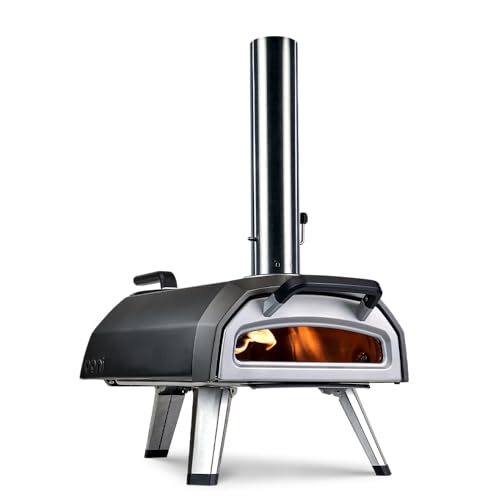 Ooni Karu 2 Multi-Fuel Outdoor Pizza Oven
- Ooni Karu 2, the world’s most advanced portable…
- With its borosilicate glass door with ClearView technology,…
- The Ooni Karu 2 reaches cooking temperatures in…
 PIZZELLO 16" Outdoor Pizza Oven
- 16" Dual-Fuel Option - Pizzello outdoor pizza oven…
- Great Pizza in 60 Sec - Our pizza…
- Pizza Anywhere - Outdoor gas pellet pizza oven…
| Product | Key specs | |
|---|---|---|
| Ooni Karu 2 Pro Multi-Fuel Pizza Oven | Fire up with wood or charcoal right out… The Karu 2 Pro reaches 950°F (500°C) in… Control the cook with increased precision thanks to… | Check price |
| Ooni Karu 2 Multi-Fuel Outdoor Pizza Oven | Ooni Karu 2, the world’s most advanced portable… With its borosilicate glass door with ClearView technology,… The Ooni Karu 2 reaches cooking temperatures in… | Check price |
| PIZZELLO 16" Outdoor Pizza Oven | 16" Dual-Fuel Option - Pizzello outdoor pizza oven… Great Pizza in 60 Sec - Our pizza… Pizza Anywhere - Outdoor gas pellet pizza oven… | Check price |
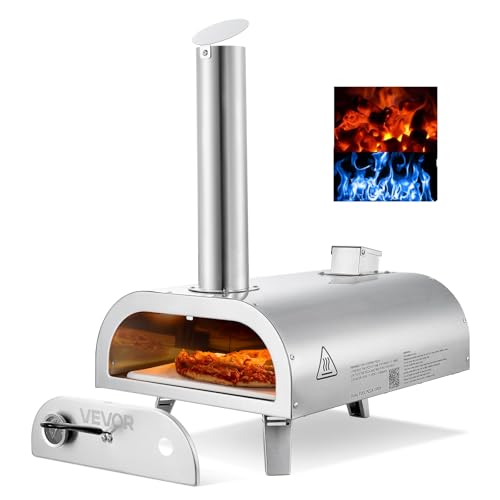 VEVOR Dual Fuel Pizza Oven Outdoor VEVOR Dual Fuel Pizza Oven Outdoor | Wood & Propane Fuel Optional: The dual-fuel pizza… Done in Minutes: Our outdoor pizza oven preheats… Durable Construction: This multi-fuel pizza oven withstands outdoor… | Check price |
As an Amazon Associate we earn from qualifying purchases at no extra cost to you.
What “dual fuel” means in practice
A dual fuel pizza oven can burn solid fuel—usually hardwood logs or charcoal—and can also run on propane through a separate gas burner. Wood offers stronger flame character and more hands-on control, while gas provides faster, cleaner, and more predictable cooking. On most models, the gas burner is included only with a dual-fuel package or must be purchased separately.
The important distinction is that “wood versus gas” is not usually a choice between two different ovens. It is a choice about how quickly you want to cook, how much attention you want to give the fire, and whether your patio can accommodate fuel storage, smoke, and cleanup.
Best dual fuel pizza ovens by situation
| Situation | Best fit | Why | Main compromise |
|---|---|---|---|
| Small patio, balcony-sized footprint, occasional use | Ooni Karu 12G | 12-inch cooking surface, relatively low weight, wood or propane operation | One pizza at a time and less room for turning large pies |
| Frequent family cooking and larger pizzas | Ooni Karu 2 Pro | 16-inch class cooking area, insulated body, built-in monitoring features | Needs a sturdier table and costs more |
| Permanent outdoor kitchen or dedicated patio station | Gozney Dome dual fuel | Large thermal mass, substantial insulation, strong heat retention | Very heavy and less convenient to move |
| Lowest equipment budget | 12-inch dual-fuel oven package | Lower purchase price and smaller gas consumption | Smaller pizzas, tighter turning space, slower batch cooking |
| Wood-fired flavor without managing wood every time | Any dual-fuel model with a propane burner | Wood is available for flavor; gas is available for convenience | Extra burner cost if it is not included |
Head-to-head: wood versus gas performance
Heat-up time
Gas is generally the quicker route from cold oven to cooking temperature. A small 12-inch oven can often reach pizza-ready temperatures in roughly 15 to 25 minutes with propane, depending on wind, ambient temperature, and the starting temperature of the stone. A larger, heavily insulated oven may take 25 to 45 minutes.
Wood commonly takes about 25 to 45 minutes in a portable oven and longer in a high-mass oven such as the Gozney Dome. The additional time is spent building a clean, vigorous fire and allowing the stone to heat through. A bright flame can make the oven roof look ready while the floor remains too cool, so a stone surface thermometer or infrared thermometer is useful.
Maximum temperature and cooking control
Most premium dual-fuel ovens are designed for roughly 950°F (510°C) or slightly higher at the upper cooking area. That is hot enough for Neapolitan-style pizza with a short bake, but the exact result depends more on stone temperature, flame position, dough hydration, and turning technique than on the headline maximum.
Propane gives the most repeatable heat. Turn the burner up, wait for the stone to recover, and repeat. Wood produces more variation: a small flame can be ideal for baking, while an oversized fire may scorch the rim before the center cooks. Experienced users often prefer wood because the live flame is responsive and can create attractive blistering, but beginners usually learn faster with gas.
Fuel versatility and running cost
Propane is convenient because a cylinder stores a large amount of usable energy in a compact container and does not leave ash. The real cost depends on local cylinder prices and burner size, but a typical backyard session generally consumes less propane than a full household grill session.
Wood costs vary more widely. Properly kiln-dried hardwood chunks or small splits are preferable; construction scraps, treated lumber, painted wood, and resinous softwoods should not be used. Wood may cost little if you already have a suitable supply, but it demands dry storage and produces ash that must be removed.
A useful ownership calculation is to compare total session cost rather than fuel price alone. If propane costs $20 to refill a cylinder and provides approximately 10 to 15 pizza sessions, fuel is about $1.33 to $2 per session before considering the oven’s purchase price. If a bag of suitable hardwood costs $15 and lasts five sessions, the fuel cost is about $3 per session. Local prices and cooking duration can reverse this result.
Important size and specification differences
| Oven | Pizza capacity | Approximate weight | Temperature class | Fuel arrangement |
|---|---|---|---|---|
| Ooni Karu 12G | Up to 12-inch pizza | About 30 lb | Up to about 950°F | Wood or charcoal; propane with compatible burner |
| Ooni Karu 2 Pro | Up to 16-inch pizza | About 62 lb | Up to about 950°F | Wood or charcoal; propane with compatible burner |
| Gozney Dome dual fuel | Up to 16-inch pizza | About 125 lb | Up to about 950°F | Wood and propane configuration |
These figures explain the practical difference between portable and permanent ovens. A 12-inch model may fit on a compact, heat-resistant table, whereas a 16-inch oven needs more clearance for loading, turning, and safe gas-cylinder placement. The Gozney Dome’s weight makes it better suited to a dedicated stand or outdoor kitchen than to seasonal storage.
Assembly and setup: where buyers lose time
Portable ovens usually require limited assembly: attach the legs, install the chimney and cap, fit the door or fuel tray, and connect the gas burner if supplied. Allow 20 to 40 minutes for unpacking and assembly, then check every connection before lighting.
- Choose a non-combustible, level surface. Use a stable metal, stone, or masonry table rated for the oven’s weight. Do not place the oven directly on a plastic table or an unstable folding surface.
- Leave ventilation and clearance. Follow the manufacturer’s clearance instructions, keep the chimney unobstructed, and keep the propane cylinder away from direct radiant heat.
- Cure or burn off manufacturing residue. Run the oven through the recommended initial heat cycle before cooking food. This also reveals whether the door, chimney, or burner is installed correctly.
- Check the stone temperature separately from the air temperature. Aim for approximately 700–800°F on the baking surface for a fast pizza, then adjust according to the dough and toppings.
- Preheat the peel and prepare fuel before launching. A crowded work surface and an underheated stone cause more failed pizzas than a lack of maximum heat.
Durability and maintenance realities
The pizza stone is usually the first consumable component. Thermal shock, spilled sauce, and moving a hot stone can cause cracks. Never pour water onto a hot surface, and avoid placing a cold stone in a rapidly heated oven unless the manufacturer specifically permits it.
Wood-fired use adds ash to the firebox and can deposit soot around the chimney and roof. Let the oven cool completely, then brush out loose ash with a suitable metal or natural-fiber brush. Do not use household cleaners inside the cooking chamber, where residue can affect food and damage surfaces.
On gas systems, the burner ports and regulator are common trouble points. Keep them protected from grease and moisture, inspect the hose for damage, and use leak-detection solution on connections when installing a new cylinder. A yellow, unstable flame or repeated burner shutdown calls for cleaning and inspection rather than continued use.
Rust can appear on untreated steel accessories if they are left outdoors under a cover that traps condensation. Store the door, peels, wood, and burner components in a dry place when possible. A cover protects against rain but does not replace ventilation or winter storage.
Which one should you buy?
Choose the Ooni Karu 12G if portability, lower cost, and occasional pizzas matter more than batch size. It is the sensible entry point for someone learning both fuels.
Choose the Ooni Karu 2 Pro if you want a 16-inch cooking area, use the oven regularly, and value easier monitoring and a more capable insulated design. Its larger footprint and weight are justified when you cook for several people.
Choose the Gozney Dome dual fuel if the oven will live in one place and you prioritize thermal stability, construction, and a substantial cooking chamber over portability. Its size makes the most sense for frequent patio entertaining.
For most first-time buyers, propane is the best starting fuel: it shortens the learning curve and makes weeknight cooking practical. Add wood once you understand stone temperature, flame management, and turning. That approach lets a dual-fuel oven deliver convenience most days without giving up the flavor and theater of a live wood fire.