Key takeaways
- Inspect the frame, casters and fasteners before every use. Cracked plastic or loose wheels are reasons to retire the creeper.
- Keep the floor clear. A single bolt or loose cable under a small caster can stop it suddenly.
- Wipe oil, brake fluid and coolant off the deck so you do not slide off.
- Store plastic models flat or hung according to the maker’s instructions, away from prolonged heat that could warp the shape.
- Wear eye protection when working under a vehicle, because rust and fluid fall downward.
- Never get under a vehicle supported only by a jack. Use rated stands.
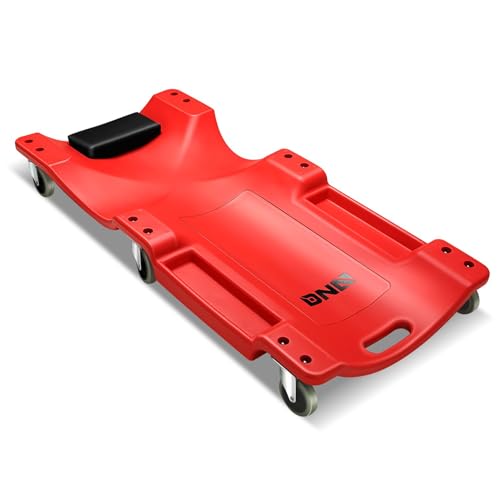
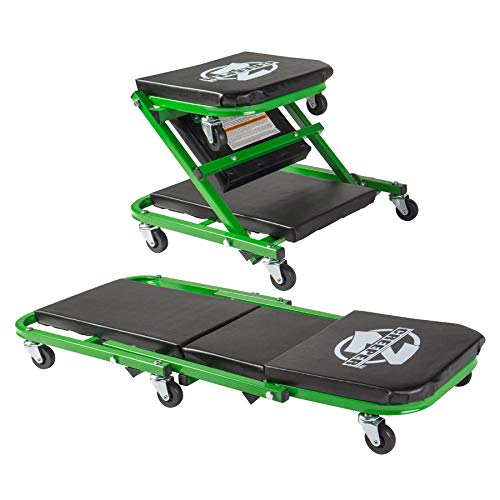
For most home garages, a foldable or plastic 40-inch creeper from Pro-Lift is the safest starting point, while Torin suits tight budgets and a converting creeper-seat suits people who also want to sit while working. Roundups published in 2026 keep returning to the same few makers, so the real decision is about body size, floor surface, ground clearance under your vehicle and how much storage space you have.
Our top picks


As an Amazon Associate we earn from qualifying purchases at no extra cost to you.
Creepers at a Glance
| Model or type | Best for | Key stated specs | Limits |
|---|---|---|---|
| Pro-Lift C-9100 Foldable Z Creeper | Taller or heavier users, small storage | Reviewers cite a 450 lb capacity and a full 40 inch deck | Folding frames add moving parts; check the hinge locks before every use |
| Pro-Lift C-2036DG 2-in-1 | Mixed jobs: lying down and sitting | Converts between creeper and seat | Converting designs sit higher than a flat creeper |
| Pro-Lift 40 inch plastic creeper | General garage use | Reviewers cite 350 lb capacity, the highest among the plastic models compared | One-year warranty on its HDPE models, as reported |
| Torin Big Red TR6452 | Budget buyers wanting a headrest | Adjustable headrest; one guide lists 250 lb capacity | Lower capacity than the Pro-Lift models |
| Torin TR6300 | Users who want a tray and padded seat | Padded seat and large tool tray | Seat-style creepers are less suited to very low cars |
| Whiteside MTL2UP | Taller users | Adjustable backrest and seat positions | Covered by few outlets, so less comparison data |
| AFF Viking 42 inch | Low-clearance vehicles | Described by reviewers as the best low-profile option | Less cushioning for long sessions |
| Lisle 97102 | Buyers who prioritize warranty | Reviewers mention a lifetime HDPE warranty | Check size against your build |
Specifications above come from the makers’ listings as summarized by independent roundups. Capacities and warranty terms can vary by production run, so read the label on the product you buy.
How to Choose a Creeper
Capacity and body size
Weight capacity is the first number to read. Add your body weight to anything you might carry, such as a trouble light, a small tool tray or a drain pan. A creeper rated close to your own weight leaves no margin for the dynamic load of rolling and pushing. Taller people should look for a deck near 40 inches or more, because a short deck leaves the legs hanging and tends to strain the lower back. Reviewers pick the Pro-Lift C-9100 for larger users for exactly this reason.
Plastic versus padded steel frames
Molded plastic (HDPE) creepers are one piece, easy to wipe clean and often contoured so the body stays centered. Padded steel frames with vinyl-covered decks are warmer to lie on but absorb oil and can tear. If you work on a bare concrete floor and want something you can hose off, molded plastic is the usual choice. If your garage is cold, a padded surface is more comfortable.
Wheels and floor surface
Caster quality matters more than the deck. Larger wheels roll over cracks, zip ties and small bolts that stop small casters. Swivel casters let you change direction without lifting. Plastic casters on rough or cracked concrete can bind, so some owners swap in larger replacements if the design allows it. Check that the casters are firmly attached and spin freely before each job.
Ground clearance
Measure the gap between the floor and the lowest part of your vehicle. A creeper that is 3 to 4 inches thick leaves little room on a lowered car, while a seat-style or converting model needs far more space. Low-profile designs such as the AFF Viking exist for this reason. Never rely on a creeper to make a vehicle safe to be under: always support the vehicle on properly rated jack stands on level ground, and follow the vehicle manual’s lift points.
Budget, Mid-Range and Premium Tiers
Budget
Torin models, including the TRP6240 plastic creeper, appear in 2026 roundups as the economical choice. The TR6452 adds an adjustable headrest, which reviewers call good value. The trade-offs are lower stated capacity and simpler materials. These suit occasional oil changes and tire swaps for average-sized users.
Mid-range
Pro-Lift fills most of this tier. The 40 inch plastic model is named first in several lists and carries a 350 lb rating. The C-2036DG converting model is called a value pick by one review because it replaces two tools. Expect a one-year warranty on the plastic line, according to roundups.
Premium
The premium end includes heavier capacity foldable designs like the C-9100, adjustable models like the Whiteside, and American-made options. You pay for stronger frames, better casters, adjustable positions and longer warranties. If you spend several hours a week under cars, the comfort and durability are easier to justify.
Pick X If… Decision Table
| Pick this | If you |
|---|---|
| Pro-Lift C-9100 foldable | are tall or heavier and need to hang the creeper on a wall when finished |
| Pro-Lift 40 inch plastic | want a simple, wipe-clean tool for general repairs |
| Pro-Lift C-2036DG 2-in-1 | spend as much time working on wheels and brakes as underneath |
| Torin TR6452 | want a headrest on a limited budget |
| Torin TR6300 | want a built-in tray and padded seat for wheel-level jobs |
| AFF Viking low-profile | own a lowered sports car or a vehicle with tight clearance |
| Whiteside MTL2UP | need adjustable positions for a taller frame |
Safety and Care Notes
- Inspect the frame, casters and fasteners before every use. Cracked plastic or loose wheels are reasons to retire the creeper.
- Keep the floor clear. A single bolt or loose cable under a small caster can stop it suddenly.
- Wipe oil, brake fluid and coolant off the deck so you do not slide off.
- Store plastic models flat or hung according to the maker’s instructions, away from prolonged heat that could warp the shape.
- Wear eye protection when working under a vehicle, because rust and fluid fall downward.
- Never get under a vehicle supported only by a jack. Use rated stands.
Alternatives to a Traditional Creeper
- Rolling mechanic stool: better for brake, wheel and engine bay work where you do not need to lie down.
- Creeper seat combos: converting models cover both jobs but sit higher when used as a creeper.
- Powered creepers: reviewers have started to feature electric creepers in 2026 roundups. They suit professionals and people with mobility limits, but add cost, weight and a charger to maintain.
- Creeper mats and padded pads: a cheap option for jobs that do not need rolling movement.
Some roundup sites are affiliate-driven and their rankings are best read as rough consensus rather than formal testing, so compare stated specs rather than ranking numbers.
Common Mistakes When Buying a Creeper
The most frequent error is choosing by price alone and ignoring the deck length. A short creeper forces the neck and lower back into an awkward position, which turns a ten-minute job into an uncomfortable one. A second error is overlooking how the creeper will be stored. Foldable models such as the Pro-Lift C-9100 are described by reviewers as helpful for small garages, while a rigid 40 inch plastic model needs a wall hook or a flat spot under a bench. A third error is buying a seat-style creeper for work that needs a flat profile. Converting models are useful, but when the vehicle is low the extra thickness of the seat frame can leave no space for your chest.
Buyers also sometimes forget the floor. On smooth sealed concrete almost any caster works. On older, cracked or dusty slabs, small hard wheels catch and stop suddenly. If your garage floor is rough, prioritize large casters, sweep before each job and consider a rubber mat for the working area. Finally, think about the type of work. Oil changes, exhaust jobs and transmission pans all involve lying on your back for longer stretches, so a contoured deck and headrest, like the adjustable headrest on the Torin TR6452, make a real difference to comfort.
Matching a Creeper to the Job
- Oil and filter changes: a basic plastic creeper is enough, because short sessions mean comfort matters less.
- Exhaust and driveshaft work: look for a long deck, a headrest and a tool tray so you are not sliding in and out.
- Brakes and suspension: a converting creeper-seat or a rolling stool keeps you at wheel height.
- Lowered vehicles: choose a low-profile model and measure clearance first.
- Frequent daily use: invest in better casters and a higher stated capacity.
Frequently Asked Questions
What size creeper do I need?
A 40 inch deck covers most adults, and taller users should look at 40 inches or more. Check the maker’s stated capacity against your weight plus tools. If your vehicle is low, measure clearance first.
Is a plastic creeper better than a padded one?
Plastic is easier to clean and usually lighter, while padded decks are more comfortable on cold floors. Oil can stain padded vinyl and make it slippery. Choose based on how long you lie on it and what your floor is like.
Are foldable creepers sturdy enough?
Reviewers rate foldable models such as the Pro-Lift C-9100 highly, and the maker lists a high weight capacity. Always make sure the locking mechanism is fully engaged before lying on it. Retire any unit with bent hinges or loose fasteners.
Can a creeper replace jack stands?
No. A creeper only helps you move; it does nothing to support the vehicle. Use rated jack stands on level, solid ground and follow the vehicle manual for lift points.
What do the wheels need to be like for a rough garage floor?
Larger, smooth-rolling casters cope better with cracks and debris. Some makers use plastic casters that may bind on rough surfaces. Sweep the floor before you start for easier rolling.
How long do creepers last?
That depends on use, load and storage. Warranties reported by reviewers range from one year on some Pro-Lift plastic models to a stated lifetime on the Lisle HDPE creeper. Inspect for cracks regularly, especially near the casters.