Key takeaways
- A car polish kit can mean three very different things: a bottle of compound and polish for hand work, a machine polisher with a bag of pads.
A car polish kit can mean three very different things: a bottle of compound and polish for hand work, a machine polisher with a bag of pads, or a complete bundle with both. The search term puts them in one bucket, and that is where shoppers get stuck. The core question is how much paint correction is realistic. Light swirls and haze respond to a dual-action machine and fine polish; deeper marks need more skill, and some marks are simply too deep for any consumer kit.
This guide is for owners who want to bring dull or swirled paint back toward a cleaner finish at home, from first-timers with a daily driver to weekend detailers who already own a wash setup. Everything here is judged only on listing-title facts, and results always depend on the paint, the technique, and the pad and product pairing. Read the manufacturer’s instructions, practice in an inconspicuous area, and plan the work around 2026 weather so product does not dry too quickly in the sun.
Quick Picks
Our top picks





As an Amazon Associate we earn from qualifying purchases at no extra cost to you.
| Product | Best for | Key spec from the title |
|---|---|---|
| Chemical Guys TORQX Kit | Beginners buying a machine | Random orbital, 9-piece, beginner-friendly |
| SPTA 5-Inch Polisher Kit | Pad variety on a corded machine | 5-inch dual action, 4 pads in 5 inch and 4 in 6 inch, bag |
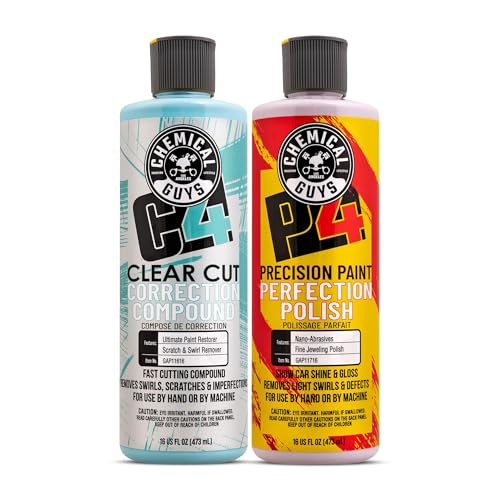
| Chemical Guys C4 and P4 Kit | Hand or machine paint correction | Compound plus polish, two 16 oz bottles |
| Carfidant Scratch and Swirl Remover | Quick hand application | Ceramic sealer included, applicator pad |
| cotaros Cordless Polisher | Cord-free work | 2 x 21V 2000mAh batteries, 5-inch plate, 18 pads |
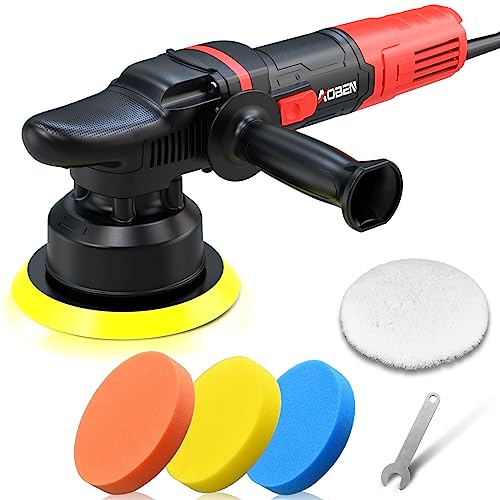
| AOBEN 6-Inch Polisher | Variable-speed control | 6 speeds from 1000 to 4500 rpm, detachable handle |
| Protmex Cordless Polisher | Larger-pad cordless setup | 6-inch, 2 x 2000mAh 21V batteries, 18 attachments |
How to Choose
Hand kit or machine
Hand application with a chemical kit is quiet, cheap, and low risk, but it needs time and effort, and the results on swirls are modest. A dual-action machine moves the pad in an orbit and oscillation, which spreads heat and makes burning paint less likely than with a rotary tool. That is why beginners usually start with random orbital designs. A machine also speeds up work on a large vehicle, so the decision comes down to the car’s size and the user’s patience.
Pad size, backing plate, and variety
Titles mention 5-inch and 6-inch pads, plates, and pad sets. A smaller 5-inch plate reaches tighter areas, while a 6-inch plate covers more surface per pass. Kits with 4, 9, or 18 pieces include different foam densities and sometimes wool, which suit compounding, polishing, and finishing. More pads is not automatically better; what counts is whether they match the plate size and the machine’s attachment style.
Corded or cordless
Corded machines run as long as the outlet allows and avoid battery fade. Cordless units with two 21V batteries, like those listed here, free the user from extension cords and make work around the car easier, but run time depends on pad pressure and speed, and swapping batteries interrupts work. Check the listing for battery details and charging time. For a first purchase, comfort and control often outweigh raw power.
Chemicals, preparation, and safety
Machine polishing assumes clean paint, so wash and dry the car, and consider a clay bar to remove bonded contamination before correction. Compounds cut deeper than polishes, and a polish refines the finish afterward. Ceramic sealers add protection but need a clean, polished surface. Wear eye protection, keep cords and tools away from water, avoid edges and sharp body lines where paint is thin, and read the product label for ventilation and storage guidance.
The 7 Best Options
Chemical Guys TORQX Kit
A random orbital polisher in a 9-piece kit, positioned in the title as beginner-friendly with smooth paint correction. Choosing a name brand in detailing means a wider ecosystem of pads and compounds, which may appeal to first-time owners who expect to keep adding pieces over time. Because beginner kits often come with a limited set of pads, many owners eventually buy a second set of foam pads for the finishing stage, so room to grow in the same pad system is a reasonable thing to value. Always confirm the included pad sizes on the listing before planning that upgrade.
- Strength: random orbital design is a common starting point for beginners.
- Strength: the 9-piece bundle includes the main accessories.
- Trade-off: the title does not list specific pad sizes or speed ranges, so check the listing.
Skip it if a cordless setup is a priority.
SPTA 5-Inch Polisher Kit
A corded dual-action polisher with a 125mm head and a generous pad assortment: four 5-inch pads and four 6-inch pads, plus a packing bag. The mixed sizes suggest use on both open panels and tighter areas, though the pads must match the backing plate, which the listing should confirm. The packing bag is a practical extra for anyone who stores tools in a garage shelf or a trunk, since loose pads pick up grit that can scratch paint on the next job. Washing pads between sections and keeping spares clean is a habit worth building from the first session.
- Strength: large pad assortment and a storage bag.
- Strength: dual-action design suited to beginners.
- Trade-off: mixed 5-inch and 6-inch pad sizes can confuse buyers about plate compatibility.
Skip it if wireless operation matters.
Chemical Guys C4 and P4 Kit
This is a chemical pair rather than a machine: a compound and a polish in 16 ounce bottles. The title says to cut scratches, swirls, and towel marks with the compound and then refine depth and gloss with the polish. It suits people who already own a polisher or plan to correct small areas by hand. The pairing follows a common logic in paint work: the first product removes the defect, and the second restores clarity. Because two 16 ounce bottles go a long way on a single car, it can also suit owners who plan to detail several vehicles in a family.
- Strength: a two-step compound and polish system in generous bottles.
- Strength: works as a refill for owners who already have a machine.
- Trade-off: no tool is included, so pads or applicators must be bought separately.
Skip it if the shopping list is missing a polisher.
Carfidant Scratch and Swirl Remover
The simplest option here: a scratch and swirl remover bundled with a ceramic sealer and an applicator pad. The title says it is designed for light scratches, swirls, scuffs, and water spots, which keeps expectations modest. Owners looking for a small, fast project may like the all-in-one approach. Treat claims about removing marks as best suited to surface-level defects; a scratch deep enough to catch a fingernail usually needs more than any hand product. Working in small sections and checking results in good light prevents over-polishing an area.
- Strength: includes a ceramic sealer and applicator in one package.
- Strength: no power tool needed.
- Trade-off: hand application limits how much correction is realistic.
Skip it if deeper defects need machine work.
cotaros Cordless Polisher
A battery-powered random orbital buffer with a 5-inch backing plate, eight speed settings, an LED display, two 21V 2000mAh batteries, and 18 polishing pads. Two batteries mean one can charge while the other works, helpful on a larger vehicle, and the compact plate suits areas near mirrors and trim. Cordless tools also remove the risk of a cord dragging across freshly polished paint, a small but real annoyance when working around a car in a tight garage. Buyers should confirm charger details and battery capacity on the listing.
- Strength: two batteries and 18 pads in the bundle.
- Strength: eight speeds with an LED display for control.
- Trade-off: battery run time depends on pressure and speed, so long sessions may need pauses.
Skip it if corded, unlimited run time is preferred.
AOBEN 6-Inch Polisher
A corded dual-action polisher with a 6-inch plate, six variable speeds from 1000 to 4500 rpm, a detachable handle, and four buffing pads. The speed range lets users start gently and increase as they gain confidence, and the detachable handle helps in awkward spots. A corded design also keeps power consistent across a long session, which suits people who prefer to finish a whole car in one afternoon. Buyers who already own compounds and polishes can treat it as a tool-only purchase and add pads as needed.
- Strength: wide, stated speed range with six steps.
- Strength: detachable handle for tight areas.
- Trade-off: only four pads are listed, so extra pads may be needed.
Skip it if a large pad bundle is wanted out of the box.
Protmex Cordless Polisher
A cordless 6-inch buffer and waxer kit with two 2000mAh 21V batteries and 18 extra attachments. The larger plate covers more paint per pass than the 5-inch cotaros, which could shorten work on trucks and SUVs, though the battery time still depends on use. The kit’s wording links buffing and waxing, so the same pads may serve both jobs, but separate pads for compound, polish, and wax prevent cross-contamination. Owners should compare its weight and grip with the smaller plate before choosing.
- Strength: 6-inch plate with two batteries.
- Strength: 18 attachments in the kit.
- Trade-off: a bigger plate is harder to maneuver around curves and tight panels.
Skip it if the car is small and has many tight contours.
Which One Fits Your Situation
First-time owner with a daily driver
The Chemical Guys TORQX Kit is described as beginner-friendly, and the random orbital action is forgiving.
Driver with a few light swirls and no tools
The Carfidant Scratch and Swirl Remover is a low-commitment starting point for small areas.
Someone who already owns a machine
The Chemical Guys C4 and P4 Kit adds a compound and polish pair without another tool.
Owner who hates extension cords
The cotaros or Protmex cordless polishers free the work area, with 5-inch or 6-inch plates respectively.
Common Mistakes
- Polishing dirty paint, which grinds contaminants into the finish.
- Working in direct sun so product dries before it can be buffed.
- Using too much pressure or speed on edges and body lines.
- Mixing up compound and polish steps, or skipping the clean-up between them.
- Assuming any kit can remove deep scratches that catch a fingernail.
Related guides
- How To Find The Right Wiper Blade Size For Your Car
- All Weather Floor Mats For Pickup Trucks
- How To Hardwire A Dash Cam To The Fuse Box
Frequently Asked Questions
What is the difference between compound and polish?
A compound is more aggressive and used to level defects, while a polish refines the surface and boosts gloss. Many correction routines use a compound first, then a polish.
Is a dual-action polisher safe for beginners?
It is generally considered more forgiving than a rotary tool, but care is still needed on edges and thin paint. Follow the manufacturer’s directions and practice on a small area.
Do polishing pads need to match the plate size?
Yes. Pads should match the backing plate size and attachment type. Check the listing details before mixing pads from different sets.
Should wax or sealant follow polishing?
Polishing leaves bare paint, so a wax or sealant afterward helps protect the surface. Ceramic sealers need a clean, polished panel to bond properly.
More from Amazon
Programs that pair well with the guide above. Offers and eligibility are set by Amazon and may change.
Free shipping on eligible items, Prime Video and more. Eligible new members can start with a free trial.
Start a Prime free trialAudiobooks and podcasts to listen to on the go. Eligible new members can start with a free trial.
Try Audible freeAd-free music streaming. Eligible new subscribers can start with a free trial.
Try Music Unlimited freeA free business account with business pricing and bulk-buying tools for work, shop or home office.
Create a business accountAs an Amazon Associate we earn from qualifying purchases.