Key takeaways
- Hot, sunny: Reflective and UV-resistant fabrics, like the Silverguard, help limit sun exposure.
- Rain and humidity: Breathable, water-resistant covers are better than sealed plastic-like fabrics.
- Snow and cold: Choose a sturdy fabric and ensure the cover can be removed without cracking.
- Dust and pollen: Indoor dust covers are enough for a garaged car.
- Trees and birds: A heavier outdoor cover with a soft inner lining helps protect against debris.
For most drivers who park outdoors, a breathable custom-fit cover such as the Covercraft WeatherShield HP is the usual first choice; hot, sunny climates favor reflective options like the Coverking Silverguard; and garage owners who only need dust protection are well served by indoor stretch or dust covers from Budge, Coverking or Covercraft. The right car cover depends mainly on whether the car lives indoors or outdoors, your climate, and how closely you want the cover to fit.
Our top picks

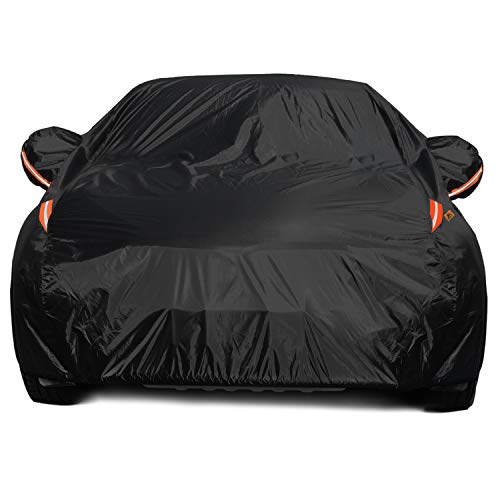


As an Amazon Associate we earn from qualifying purchases at no extra cost to you.
Car Covers at a Glance
| Cover | Best for | What reviewers and makers state | Limits |
|---|---|---|---|
| Covercraft WeatherShield HP | Outdoor use, most drivers | Breathable, water-shedding, UV resistant, custom fit; reviewers estimate a multi-year service life with care | Premium tier; water-shedding rather than fully waterproof |
| Covercraft Dustop | Indoor collectors | Premium pick for dust filtration indoors | Not for outdoor weather |
| Coverking Silverguard | Hot, sunny regions | Polyester with a reflective silver coating, custom cut | Higher spend than universal covers |
| Coverking Stormproof | Mid-tier custom outdoor | Custom-fit option between budget and premium | Less sun-focused than Silverguard |
| Coverking Satin Stretch | Indoor show cars | Recommended for indoor display | Indoor only |
| Budge Indoor Stretch | Garaged cars | Named best indoor cover for most garaged cars by one review | Not meant for outdoor weather |
| Budge B-1 Lite | Budget indoor protection | Basic dust cover | Owners report it degrading within months outdoors |
| Budge Protector V | All-weather universal | Rated best all-weather in one premium ranking | Universal fit is baggier |
Indoor or Outdoor?
This is the first decision. Indoor covers are soft, light and designed to keep dust, scratches and garage clutter off the paint. They are not built to handle sun, rain or snow. Outdoor covers use heavier, UV-resistant fabrics that block sun damage and shed water, with straps and sometimes grommets to keep them in place. Using an indoor cover outside usually leads to rapid fabric breakdown; one review notes that the Budge Lite cover degraded within months outdoors.
Breathable vs Waterproof
It seems logical that a car cover should be fully waterproof, but several reviewers argue the opposite. Fully waterproof fabric can trap moisture beneath the cover, which may encourage mold, mildew or paint problems. A breathable cover sheds most rain while letting moisture escape. Covercraft publicly states it does not sell waterproof covers, citing rust, corrosion and mold concerns. For long outdoor storage, breathable water-resistant fabric is the common recommendation.
Custom, Semi-Custom or Universal Fit
Custom-fit
Custom covers are cut for your exact make, model and year, including mirror pockets and antenna openings. They fit snugly, flap less in wind, and reduce rubbing that can dull paint. Covercraft and Coverking are the two names that come up most often here.
Semi-custom
Semi-custom covers are sized by vehicle class and may include mirror pockets. They cost less than custom and fit better than universal.
Universal
Universal covers come in size ranges, such as sedan or SUV. They cost less, but they are baggier and move more in wind, which can chafe the paint. Measure your car’s length, width and height and compare it to the size chart.
Fabric and Climate
- Hot, sunny: Reflective and UV-resistant fabrics, like the Silverguard, help limit sun exposure.
- Rain and humidity: Breathable, water-resistant covers are better than sealed plastic-like fabrics.
- Snow and cold: Choose a sturdy fabric and ensure the cover can be removed without cracking.
- Dust and pollen: Indoor dust covers are enough for a garaged car.
- Trees and birds: A heavier outdoor cover with a soft inner lining helps protect against debris.
Paint Care Notes
Always put a cover on a clean, dry car. Dirt trapped under a cover can scratch paint when the fabric moves. Choose a cover with a soft inner lining, and remove it to let the car dry if it has been rained on and is going to stay covered for a long time. Fold the cover with the dirty side in. Wash covers according to the maker’s instructions, because the wrong detergent can damage coatings.
Security and Wind
Look for elastic hems, underbody straps, and grommets for a cable and lock. A tight custom fit usually does better in wind than a loose universal cover. Never drive with a cover attached.
Budget Tiers
- Budget: Budge B-1 Lite and other universal indoor covers for garage dust.
- Mid-range: Coverking Stormproof and Budge outdoor options for moderate weather.
- Premium: Covercraft WeatherShield HP, Coverking Silverguard and Covercraft Dustop for specific needs.
Pick X If… Decision Table
| Pick this | If you… |
|---|---|
| Covercraft WeatherShield HP | park outdoors and want a custom, breathable, UV-resistant cover |
| Coverking Silverguard | live in a hot, sunny region |
| Coverking Stormproof | want a mid-tier custom outdoor cover |
| Covercraft Dustop | store a collector car indoors and want the best dust filtration |
| Coverking Satin Stretch | show an indoor car and want a snug, soft look |
| Budge Indoor Stretch | want an affordable garage cover |
| Budge Protector V | need a universal all-weather option |
Alternatives
- Carport or garage: A physical shelter avoids many of the downsides of a cover.
- Portable car shelter: A tent-style shelter can protect against sun and rain without touching the paint.
- Windshield and mirror covers: A lower-effort option for short-term protection.
Sizing and Measuring Tips
For custom covers, give the seller the exact make, model, year and body style, and mention any modifications such as a roof rack, spoiler, lift kit or oversized mirrors. A cover cut for a standard model may not fit a car with a large wing or roof box. For universal covers, measure bumper to bumper, mirror to mirror and roof height, then compare these to the size chart. If the car sits between two sizes, many owners choose the larger size for outdoor use so the hem reaches below the body line, and the smaller size for indoor stretch covers that rely on a snug fit.
Using a Cover Day to Day
A cover is a commitment. Putting it on and taking it off takes a couple of minutes, and a car that is driven daily may not be a good candidate. Owners who drive daily often find that a cover is most useful for long periods of storage, such as winter, trips, or seasonal vehicles. Fold or roll the cover from the sides toward the center so dirt stays on the outside, and keep it in the supplied storage bag. Remove the antenna if the maker advises, and use the mirror pockets to keep the shape stable.
Check under the cover from time to time. Condensation, leaves, or a pet may have found a way in. If the car is stored for months, lift the cover every few weeks, let the paint breathe, and check for moisture or pests. Avoid covering a car that is still hot from driving, because heat and moisture beneath the fabric can cause issues. Always follow the car maker’s guidance on storage, and take extra care with freshly painted or waxed finishes, where the manufacturer may advise waiting before covering.
When a Cover Is Not Enough
A cover reduces sun, dust and light impacts but cannot stop hail damage, major tree falls, or a determined thief. For severe weather, a carport, garage or dedicated shelter is the more complete solution. For security, combine a cover with a lock and cable through the grommets, and park in a visible, well-lit location.
Indoor Storage Extras
For a car kept in a garage for months, a soft indoor cover is only part of the plan. Owners commonly also use a battery maintainer, keep tires inflated to the pressure in the manual, and store the car with a reasonable level of fuel, following the vehicle maker’s storage advice. Keep the garage ventilated and dry, because even the best breathable cover cannot fix a damp room. Check for rodents, which like to nest in quiet covered vehicles, and place deterrents away from the car if needed.
Frequently Asked Questions
Are waterproof car covers a good idea?
Not always. Reviewers and Covercraft note that fully waterproof fabric can trap moisture and encourage mold or corrosion. Breathable, water-shedding covers are more commonly recommended for long outdoor storage.
Can I use an indoor cover outside?
Indoor covers are not built for sun, rain or wind, and they can break down quickly outdoors. Choose an outdoor-rated cover for a car that is parked outside.
Will a car cover scratch my paint?
A clean car and a soft-lined, well-fitting cover reduce the risk. Dirt under the cover, wind flapping and a loose universal fit can cause marks. Wash the car first and secure the cover properly.
How long do car covers last?
Lifespan depends on fabric, climate and care. Reviewers estimate several years for a premium outdoor cover with proper care, and much shorter for budget covers used outdoors.
Should I get a custom-fit cover?
Custom-fit covers fit more closely and move less in wind, so they are usually preferred for valuable cars or long-term storage. Universal covers are cheaper and may be fine for short-term or indoor use.
How do I clean a car cover?
Follow the maker’s care label. Many covers can be washed gently by hand or in a large commercial machine without fabric softener, and then air-dried. Never put a damp cover on a car for long storage.