Key takeaways
- Unsealed cordierite is porous and should not be soaked.
- Hairline cracks can spread if the stone is flexed or dropped.
- Very thick stones may not fit beneath a low oven broiler or leave enough clearance for a tall pizza.
- Square and rectangular models use oven space more efficiently than round stones.
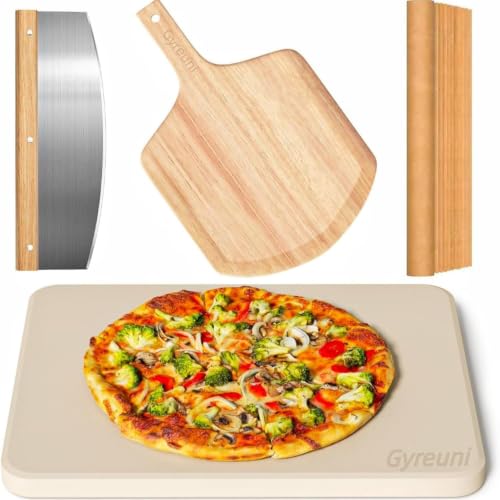
The best pizza stones for most home ovens are thick cordierite stones for balanced heat retention and value, while ceramic is easier to handle and pizza steel is the fastest route to aggressive browning and crisp bottoms.
Our top picks


As an Amazon Associate we earn from qualifying purchases at no extra cost to you. Ratings are shown as listed on Amazon.
Best pizza stones at a glance
| Type | Typical size and thickness | Typical weight | Maximum temperature | Preheating time | Best for |
|---|---|---|---|---|---|
| Cordierite | 14–16 inches, 0.5–0.75 inch | 7–14 lb | 700–1,000°F, depending on model | 45–60 minutes | General-purpose home baking and value |
| Ceramic | 13–15 inches, 0.4–0.75 inch | 4–9 lb | 500–900°F, depending on model | 45–60 minutes | Gentler handling and attractive serving pieces |
| Pizza steel | 14–16 inches, 0.125–0.25 inch | 10–25 lb | Oven temperature limits vary; commonly 500–550°F | 30–60 minutes | Fast browning, frequent pizza, and weakly heated ovens |
These are useful buying ranges rather than universal specifications. Always follow the individual manufacturer’s temperature limit, particularly with glazed ceramic products and coated steel.
Cordierite: the safest all-round choice
Cordierite is a mineral-based ceramic material valued for relatively low thermal expansion. That makes it less vulnerable to thermal shock than many ordinary ceramic tiles or baking dishes. A good cordierite stone can move from a hot oven to repeated baking sessions without cracking as readily, provided it is not exposed to water or a frozen surface while hot.
Choose a stone around 0.6 to 0.75 inch thick if you want a durable balance between heat storage and manageable preheating. Thinner stones warm sooner but can lose temperature when a cold, wet pizza is launched. Thicker stones hold heat better for back-to-back pizzas, although they may need an hour or more in a conventional oven.
Cordierite is the strongest choice for buyers who want one tool for pizza, bread, flatbreads, and reheating leftovers. Ooni sells cordierite replacement stones for its pizza ovens, and many rectangular cordierite stones are available for indoor ranges. A darkened surface is normal; oil stains and baked-on flour usually do not affect performance.
What to watch for
- Unsealed cordierite is porous and should not be soaked.
- Hairline cracks can spread if the stone is flexed or dropped.
- Very thick stones may not fit beneath a low oven broiler or leave enough clearance for a tall pizza.
- Square and rectangular models use oven space more efficiently than round stones.
Ceramic: lighter, attractive, and more sensitive
Ceramic pizza stones can be easier to lift and may double as serving platters. Products such as the Emile Henry Pizza Stone use ceramic construction and are designed for oven baking and table presentation. Ceramic models vary widely: some are dense and thick for heat retention, while others are thinner and more vulnerable to thermal shock.
The principal advantage is convenience rather than maximum crisping power. Ceramic typically heats evenly and produces a dry, firm crust, but it usually recovers more slowly than steel after several pizzas. It is a sensible pick for occasional pizza nights, especially when appearance and handling matter as much as speed.
Never place a cold ceramic stone into a fully heated oven unless its instructions specifically permit that procedure. Avoid adding a frozen pizza to a hot stone if the manufacturer warns against thermal shock. Let the stone cool completely before cleaning it, and do not assume that dishwasher-safe cookware includes the pizza stone.
Pizza steel: the crispest and quickest-browning alternative
Pizza steel is a solid carbon-steel plate rather than a stone. Steel conducts heat much more efficiently, so the underside of the dough receives intense heat as soon as it lands. This is particularly useful in domestic ovens that struggle to reproduce the high floor temperature of a dedicated pizza oven.
A 0.125-inch steel heats relatively quickly and is easier to handle. A 0.25-inch plate stores more energy and is better for consecutive pizzas, but a large model can weigh 20 pounds or more. Baking Steel’s Original product is a familiar example of the thick-plate format; comparable uncoated carbon-steel plates follow the same basic principle.
Steel is usually the best choice for a frequent baker who prioritizes a dark, crisp base. It is less forgiving of excessive flour, sugar, or oil because those ingredients can scorch against the hotter surface. Steel can also over-brown thin crust before the toppings finish, so a slightly higher oven rack may be useful.
Steel ownership realities
- Dry the plate immediately after washing and apply a very thin film of cooking oil if the instructions call for seasoning.
- Rust is the main maintenance risk, not cracking.
- Do not use a steel plate in a microwave.
- Check the manufacturer’s oven-temperature limit; household ovens often reach 500–550°F, but broiler and self-clean cycles can exceed product ratings.
Choose by your situation
| Your situation | Best choice | Reason |
|---|---|---|
| First pizza accessory and limited budget | 0.5–0.6-inch cordierite | Good performance without steel’s weight or ceramic’s fragility |
| One or two pizzas per month | Ceramic or medium cordierite | Both provide adequate heat storage without optimizing for rapid recovery |
| Several pizzas every weekend | 0.25-inch pizza steel | Strong bottom heat and excellent recovery between launches |
| Small oven or crowded storage | 13-inch round or 14-inch thin steel | Lower weight and easier storage; measure before buying |
| Neapolitan-style pizza in a dedicated outdoor oven | Manufacturer-matched cordierite or biscotto-style stone | Correct fit and heat rating matter more than indoor-oven versatility |
How to check oven fit before buying
Measure the oven rack’s usable width and depth, not the interior wall-to-wall dimensions. Subtract at least 1 inch from each dimension so the rack can slide out without the stone catching on the door frame. For example, if the usable rack area is 17 inches wide by 16 inches deep, a 16-by-14-inch stone leaves approximately 0.5 inch of clearance on each side and 1 inch front-to-back. That is workable, but a 16-inch round stone may be awkward if the rack supports are narrower than the oven cavity.
Also measure the distance from the rack to the upper heating element or broiler. A thick stone can reduce the vertical space available for a rising crust. If the oven has a convection fan at the rear, leave enough room for airflow and avoid blocking the fan housing.
Preheating and launching for better results
- Place the stone or steel in a cold oven on a middle or upper-middle rack.
- Set the oven to its highest normal baking temperature, commonly 475–550°F.
- Preheat for at least 45 minutes for a thin stone, 60 minutes for a thick stone, and roughly 30–45 minutes for thinner steel.
- Shape the dough on a lightly floured peel or sheet of parchment. Keep toppings restrained so the center does not remain wet.
- Launch quickly and close the door. Excessive door opening wastes the stored heat you spent time building.
- For a second pizza, allow several minutes of recovery, especially with ceramic or a thin stone.
Steel’s greater conductivity does not make preheating optional. The plate still needs to reach a stable temperature throughout; otherwise the top of the pizza may cook before the base receives enough heat.
Cleaning, damage, and expected lifespan
Let every stone cool fully before cleaning. Scrape away residue with a plastic scraper or blunt brush, then wipe with a barely damp cloth. Avoid soap on porous stone because it can leave odors or flavors, and never submerge cordierite or unsealed ceramic. Do not oil a stone: oil penetrates the pores and can smoke during later baking.
A stone’s surface will darken and may develop harmless stains. Replace it when a crack causes pieces to move, when an edge becomes unsafe to handle, or when the plate no longer sits flat. Steel generally lasts longer against impact but needs rust prevention and may warp if repeatedly exposed to extreme temperature changes. Store either type flat or in a secure rack rather than leaning a heavy plate where it can fall.
Final verdict
Buy a thick cordierite stone if you want the most balanced answer to price, durability, versatility, and oven compatibility. Select ceramic when lighter handling and serving presentation matter more than maximum recovery. Choose pizza steel when crisp bottoms, frequent baking, and powerful heat transfer justify additional weight and maintenance. Whichever type you choose, correct sizing, a full preheat, and careful cooling will affect your results more than a small difference in material branding.