Key takeaways
- Best Overall: VIKING Mesh Bug Sponge, Bug and Tar Remover (reusable, non-scratch mesh)
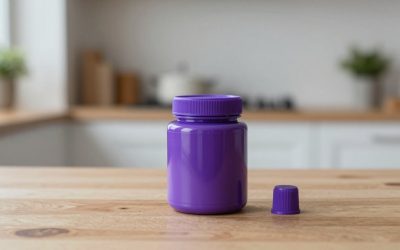
- Best for Chemicals: Chemical Guys Secondary Dilution Bottle with Sprayer, 16 oz, 3 Pack
- Best Detailing Brush: Chemical Guys Boars Hair Detailing Brush for wheels, grilles and interior
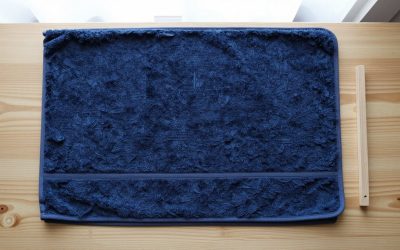
- Best Wash Mitt: AIDEA Chenille Microfiber Car Wash Mitt, 2 Pack
- Best Bucket Accessory: Grit Guard Original Bucket Insert, 10 inch
- Best Wheel Brush: Suds Lab WB Premium Detailing Wheel Brush, 17.7 inch
- Best Spray Between Washes: Meguiar’s Quik Detailer, 32 oz
The best car detailing supplies for a home driveway are the cheap, boring tools that protect paint: a mesh bug sponge, a soft boar-hair brush, labeled dilution bottles, a chenille wash mitt and a bucket grit insert. If you can only buy one thing first, the VIKING Mesh Bug Sponge is the best overall pick because it removes bug splatter and tar without the scratching risk of a rough scouring pad, and the Chemical Guys 16 oz dilution bottle set is the runner-up because it makes every concentrated product you own usable and accurate.
This guide is built around the small items that decide whether a wash is safe: the best bug remover sponge, the best car detailing brush, the best dilution spray bottles and the best car wash accessories to go with them. We cover seven main picks, four extras, a worked dilution calculation and a buying guide with concrete thresholds, so you can assemble a starter shelf without buying a full kit you do not need.
Our top picks


As an Amazon Associate we earn from qualifying purchases at no extra cost to you.
Top Picks at a Glance
- Best Overall: VIKING Mesh Bug Sponge, Bug and Tar Remover (reusable, non-scratch mesh)
- Best for Chemicals: Chemical Guys Secondary Dilution Bottle with Sprayer, 16 oz, 3 Pack
- Best Detailing Brush: Chemical Guys Boars Hair Detailing Brush for wheels, grilles and interior
- Best Wash Mitt: AIDEA Chenille Microfiber Car Wash Mitt, 2 Pack
- Best Bucket Accessory: Grit Guard Original Bucket Insert, 10 inch
- Best Wheel Brush: Suds Lab WB Premium Detailing Wheel Brush, 17.7 inch
- Best Spray Between Washes: Meguiar’s Quik Detailer, 32 oz
Quick Comparison Table
| Product | Best for | Key specs (from the listing) | Watch for | Price tier |
|---|---|---|---|---|
| VIKING Mesh Bug Sponge | Bugs and tar on bumpers, mirrors, grille | Reusable mesh, non-scratch, 1 pack (2 and 6 packs sold) | Use on lubricated paint only | Budget |
| Chemical Guys Dilution Bottle Set | Mixing concentrated cleaners and detailers | 16 oz, 3 bottles, heavy-duty sprayers, labeled | Sprayer may need rinsing after chemicals | Budget |
| Chemical Guys Boars Hair Brush | Vents, badges, grilles, tight wheel areas | Boar hair bristles, for wheels, grilles, interior | Keep separate brushes for wheels and interior | Budget |
| AIDEA Chenille Wash Mitt | Washing paint with suds | 2 pack, 7.12 x 10.14 inches, chenille microfiber, lint free | Machine washing rules per the maker | Budget |
| Grit Guard Original Insert | Keeping dirt away from the mitt | 10 inch diameter, black | Check your bucket’s inner diameter | Budget |
| Suds Lab WB Wheel Brush | Deep wheel barrels | 17.7 inches long, ultra-soft | Too long for very narrow spokes in some cases | Mid-range |
| Meguiar’s Quik Detailer | Light dust and fingerprints | 32 oz, mist and wipe, for light contaminants | Not for heavy dirt | Budget |
1. VIKING Mesh Bug Sponge: Best for Bugs and Tar Without Scratching
- Mesh sponge for bug and tar removal
- Reusable, described as non-scratch
- Sold as a 1 pack, with 2 and 6 packs from the same line
- Intended for exterior car washing
Best for: the front bumper, mirrors, hood edge and windshield base, where dried insects bake onto the surface in summer. Skip if: you are trying to remove a hard, cured contaminant like tree sap; a dedicated cleaner is the better answer.
Bug residue is acidic and gets harder to remove the longer it sits. The wrong tool is a scouring pad or a stiff sponge, which can leave fine scratches. A mesh bug sponge is a gentler abrasive: the open weave lifts residue off the surface while the structure allows water and soap to flow through. For the best result, soak the area with soapy water or a bug remover for a minute, then use light pressure and let the lubrication do the work.
The sponge is machine-washable per most makers, but check the maker’s instructions. After use, rinse it thoroughly and let it dry so it does not hold grit. Dedicate one sponge to bugs and tar and do not use it on wheels, as brake dust can embed in the mesh and scratch paint later. If you drive a lot on highways, the six-pack gives you spares to rotate.
Pros: low cost, reusable, targeted tool, easy to store, works with any soap. Cons: needs lubrication, can hold grit if not rinsed, not for cured sap.
2. Chemical Guys Secondary Dilution Bottle Set: Best for Accurate Mixing
- 3 bottles in the set
- 16 oz capacity each
- Heavy-duty sprayers
- Labeled and reusable, per the listing
Best for: anyone who buys concentrated cleaners, interior detailers or wheel cleaners and needs a precise way to dilute them. Skip if: you only use ready-to-use sprays and never dilute anything.
Concentrated detailing products are cheaper per use, but they are only useful if you can measure them. A secondary dilution bottle with printed ratio marks gives you that control. Chemical Guys sells these bottles with a sprayer head, which makes the mixed product immediately usable on an interior or wheel. Having three bottles lets you separate uses: one for interior cleaner, one for glass or an all-purpose cleaner, one for wheels or tires.
Worked example: if a product label says to dilute 10:1 (10 parts water, 1 part concentrate), a 16 oz bottle needs about 1.45 oz of concentrate and 14.55 oz of water, since 16 divided by 11 is about 1.45. For 4:1, you need 3.2 oz of concentrate and 12.8 oz of water. For 1:1 you add 8 oz of each. Always add the water first and the concentrate second to reduce foaming, and always follow the product label, because some chemicals have different ratios for different jobs.
Label each bottle with a marker or tape even if it has printed marks, and never reuse a chemical bottle for a different product without a thorough rinse. Keep chemicals away from children and pets and store them in a cool place.
Pros: three bottles, accurate marks, durable sprayers, saves money on concentrates. Cons: some sprayers can degrade with strong solvents; label compatibility is on the user.
3. Chemical Guys Boars Hair Detailing Brush: Best for Tight Spaces
- Boar hair bristles
- For wheels, grilles, badges, vents and interior spaces, per the listing
- Gentle on surfaces, described as non-scratching
- Compact size for tight areas
Best for: the places a mitt cannot reach: air vents, emblem edges, grille slots, lug nut holes and seat seams. Skip if: you want a long-handled brush for deep wheel barrels; see the Suds Lab pick.
Boar hair is a long-standing detailing standard because it is soft when wet but firm enough to move dirt out of cracks. One brush will not do everything, but it will cover many jobs: loosen dust in vents, remove polish residue around badges, and scrub the inside of a grille. A natural bristle brush also holds a cleaner or soapy water well, which means you can load it and work the area without dripping.
The best practice is to use separate brushes for dirty and clean areas. A brush used on wheels should never go on paint or interior surfaces. Mark the handle with tape or a marker, rinse it after each use and hang it bristles-down to dry. If you also want a set, the Detail Dudes three-piece set in Also Consider offers multiple sizes.
Pros: versatile, soft, precise, inexpensive, easy to clean. Cons: single size, bristles can shed slightly at first, needs separation by task.
4. AIDEA Chenille Microfiber Wash Mitt: Best for Safe Washing
- 2 mitts per pack
- 7.12 x 10.14 inches each
- Chenille microfiber, described as scratch free and lint free
- Machine washable per the maker’s instructions
Best for: washing paint, glass and plastic trim with a lot of suds. Skip if: your hands are small; a 10-inch mitt can feel large, though most users prefer a roomy fit.
Chenille noodles pull dirt into the pile, away from the paint, which is why mitts are preferred over sponges for general washing. Using two mitts doubles your safety: one for the upper, cleaner panels (roof, hood, windows) and another for the lower, dirtier panels (rocker panels, bumpers). That swap alone reduces the chance of dragging gritty residue across the whole car.
Wash the mitt after each use in a gentle machine cycle with no fabric softener, which can reduce absorbency, and let it air dry. If you drop it on the ground, replace it or wash it thoroughly before using it again; a single piece of grit can cause scratches.
Pros: two mitts, generous size, easy to wash, large suds capacity. Cons: loose threads can shed at first; not a drying tool.
5. Grit Guard Original Bucket Insert: Best for Keeping Dirt Out of Your Mitt
- 10 inch diameter
- Black original design
- Fits common 3.5 gallon and larger buckets (confirm the inner diameter)
- Sold in multiple colors
Best for: the two-bucket wash method, where one bucket is soapy and one is rinse water. Skip if: you wash with a single bucket and no separate rinse step.
A grit insert sits at the bottom of a bucket and lets dirt fall through the slats, so the mitt does not pick it up again. The method is simple: dip the mitt in soapy water, wash a panel, rub the mitt on the insert in the rinse bucket to release dirt, then return to the soap bucket. It slows the wash slightly, but the reduction in swirl marks is the reason professionals use it.
The inner diameter of your bucket matters more than the label. Measure the bucket’s bottom diameter before you buy; a 10-inch insert needs a bucket whose bottom is close to that size. A second insert for the soap bucket is optional but useful, and a lid lets you carry the buckets to the car.
Pros: proven concept, simple, inexpensive, reduces mitt contamination. Cons: does not make a bad wash good; bucket size matters.
6. Suds Lab WB Premium Wheel Brush: Best for Deep Wheel Barrels
- 17.7 inches long
- Ultra-soft bristles for reusable rim and tire cleaning
- Marketed for all vehicles
- Scratch-free per the listing
Best for: reaching behind spokes and into the barrel of larger alloy wheels. Skip if: your wheel openings are very narrow; check clearances.
Wheels collect brake dust, which is abrasive and hard to remove. A long soft brush lets you reach the inner barrel where dust accumulates, without scratching the finish. Always rinse the wheel first, use a wheel-safe cleaner, and keep the brush dedicated to wheels so you never transfer brake dust to paint.
Work from the inside out, rotate the brush gently, and rinse often. After use, rinse the brush with clean water and hang it to dry. If you notice the bristles flare or bend, replace it, because worn bristles do not clean as well.
Pros: long reach, soft, reusable, works on many wheel types. Cons: mid-range for a brush; length can be awkward to store.
7. Meguiar’s Quik Detailer: Best Spray Between Washes
- 32 oz bottle
- Mist and wipe formula
- For light contaminants and shine boost
- Suited for use on paint, according to the listing
Best for: removing light dust, fingerprints and water spots between washes. Skip if: the car has heavy dirt; wash first.
A quick detailer is not a replacement for washing; it is a lubricated spray that lets you wipe off light dust without scratching. Mist a panel, wipe with a clean microfiber towel in one direction, then buff with a dry towel. That is it. A 32 oz bottle lasts through a lot of use, and you can decant some into a Chemical Guys bottle for convenience.
Use clean towels and avoid spraying in direct sun or on hot panels, as the product can dry too quickly and streak. Try any new product on a small hidden area first and follow the label.
Pros: fast, familiar, large volume, extends time between washes. Cons: only for light dirt; needs good towels.
Also Consider
- Veco 16 oz Graduated Spray Bottles, 4-Pack: a bottle set with measurement marks; an alternative if you need four bottles.
- Tool Daily Foam Cannon, 1 Liter: a pressure washer attachment with a quick connector and several nozzle tips for pre-wash foam; it requires a pressure washer.
- Detail Dudes Boar Hair Brush Set, 3-Piece: three brush sizes for vents, trim and badges.
- Zep Professional Sprayer Bottle, 32 oz, 3-Pack: a larger sprayer bottle with an adjustable nozzle for all-purpose cleaners.
How We Chose
This guide is research-based. We did not personally use these products. We compared listing details, maker descriptions and independent car care coverage, focusing on the tools that protect paint and make detailing chemicals usable. Each item is a real, currently sold product; where a listing does not state something such as exact bristle length, we say “not listed.”
The selection criteria were paint safety (soft materials, grit control), accuracy (dilution marks), versatility (a tool that covers several jobs), cost per use and storage footprint. We left out polishers, large kits and heavy chemicals so the guide fits a beginner’s shelf and wallet.
Buying Guide
Start with paint-safe contact tools
Every tool that touches paint should be soft, clean and dedicated. A chenille mitt, a grit insert and a quality towel are the three items that reduce swirl marks the most. Skip stiff sponges, bath towels and shop rags.
Choose bottles for accuracy, not just volume
Buy 16 oz bottles for interior and wheel cleaners (you use small amounts), and 32 oz for all-purpose cleaners and rinseless solutions. Look for printed ratio marks, chemical-resistant sprayers and labels. A set of three keeps products separate, which prevents cross-contamination.
Match brush stiffness to the surface
Boar hair is soft enough for badges, vents and trim. Synthetic bristles suit tires and wheels. Wire brushes are for tools, not cars. If you are unsure, choose the softer option.
Keep dirty and clean tools separate
Use color-coded tools or labels: one set for wheels and tires, one for paint, one for interior. Many scratches come from carrying grit from the wheels to the paint. Mark the handles and store them in separate bins.
Store and maintain everything
Rinse brushes and sponges after each use and let them dry bristles-down. Wash microfiber without fabric softener. Store chemicals in a cool, dry place and keep them away from children and pets. Check labels for shelf life.
Common Mistakes to Avoid
- Washing in direct sun, which dries soap and leaves spots.
- Using the wheel brush on paint.
- Skipping the rinse bucket and grit insert.
- Mixing chemicals together; mix only what the label allows, and never combine household cleaners.
- Applying too much pressure on bugs; let the soap soften them.
More Picks Worth Considering
These additional options fit the same use case and are worth a look if the main picks above do not match your needs.
VIKING Mesh Bug Sponge, Bug and Tar Remover for Car, 1 Pack

Listed as VIKING Mesh Bug Sponge, Bug and Tar Remover for Car, 1 Pack. The maker’s listing highlights: Non-Scratch Reusable Mesh Car Wash Sponge. Compare size, material and compatibility with your own setup before choosing, and check the maker’s size or fit chart where relevant.
Chemical Guys, Secondary Dilution Bottle with Sprayer Set, 16 oz, 3 Pack

Listed as Chemical Guys, Secondary Dilution Bottle with Sprayer Set, 16 oz, 3 Pack. The maker’s listing highlights: Heavy-duty bottles with sprayers for diluting and storing detailing chemicals, labeled and reusable, three pack. Compare size, material and compatibility with your own setup before choosing, and check the maker’s size or fit chart where relevant.
Chemical Guys, Boars Hair Detailing Brush for Wheels, Grilles & Interior

Listed as Chemical Guys, Boars Hair Detailing Brush for Wheels, Grilles & Interior. The maker’s listing highlights: Boars hair detailing brush gently clean wheels, badges & vents without scratching, cleaning brush for tight spaces. Compare size, material and compatibility with your own setup before choosing, and check the maker’s size or fit chart where relevant.
Frequently Asked Questions
What are the best car detailing supplies for beginners?
Start with a wash mitt, a grit insert, a bug sponge, a soft brush and dilution bottles. Those items cover the main safety and accuracy gaps without a large investment.
What is the best bug remover sponge?
A reusable mesh sponge such as the VIKING Mesh Bug Sponge is a strong choice because it is designed for bugs and tar and is described as non-scratch. Use it with soap or a bug remover, not dry.
What is the best car detailing brush?
A soft boar-hair brush like the Chemical Guys option suits vents, badges and grilles. For wheel barrels, add a long soft wheel brush.
Which dilution spray bottles are best?
Choose bottles with printed ratio marks, chemical-resistant sprayers and a size that suits the job, such as 16 oz for interior cleaners. The Chemical Guys three-pack is a simple option.
What car wash accessories do I need?
The essentials are a wash mitt, two buckets with a grit insert, a drying towel, a wheel brush and a bug sponge. A foam cannon is a bonus if you own a pressure washer.
Can I use a quick detailer instead of washing?
Only for light dust. Quick detailers lubricate while you wipe, but they are not designed for heavy dirt. Wash the car first if it is dirty.
How do I dilute a 10:1 product in a 16 oz bottle?
Add about 1.45 oz of concentrate and fill the rest with water to 16 oz, adding the water first to limit foam. Always confirm the ratio on the product label.
A Simple Driveway Routine Using These Tools
Having the right supplies matters less than using them in the right order. This sequence works for a daily driver and takes about 60 to 90 minutes the first time, less once you have a rhythm.
- Cool the car and rinse. Work in shade on a cool panel. Rinse the whole car with plain water to knock off loose dust before anything touches the paint.
- Wheels first. Spray a wheel-safe cleaner mixed in a dilution bottle at the label ratio, agitate with the long wheel brush and the boar-hair brush around lug nuts, then rinse. Doing wheels first keeps brake dust off the clean paint.
- Bugs and tar. Soak the front bumper, mirrors and hood edge with soapy water, let it sit for a minute, then make light passes with the mesh bug sponge. Rinse the sponge as you go.
- Two-bucket wash. Fill one bucket with soap and one with plain water, each with a grit insert. Wash roof to rocker panels in straight lines, rinsing the mitt against the insert after every panel. Swap to the second mitt for the lower third of the car.
- Rinse and dry. Rinse from the top down, then dry with clean microfiber towels. Do not let water air-dry in the sun.
- Finish. Mist a quick detailer on one panel at a time and buff with a clean dry towel. Use a boar-hair brush with diluted interior cleaner on vents and badges.
Cost Per Use: Why Small Supplies Pay Off
Inexpensive accessories are where a home detailing setup saves money. Take a concentrated cleaner diluted 10:1: a single ounce of concentrate makes 11 ounces of finished product, so a 16 oz bottle uses only about 1.45 oz. A 32 oz concentrate bottle therefore produces roughly 22 refills of a 16 oz sprayer if you follow the label, while a ready-to-use spray yields exactly one. That is the practical reason to own measured bottles.
The same logic applies to reusable tools. A mesh bug sponge or a wash mitt that lasts a full season of weekly washes is used roughly 25 to 50 times, which brings the cost per wash to a few cents, and washing it properly after each use is what makes that number realistic. Replace any mitt, towel or sponge that has been dropped, shows embedded grit or has matted fibers, because the cost of a scratch is far higher than the cost of the tool.
What to Skip Until Later
A new detailer often buys polishers, clay bars, ceramic coatings and a dozen towels before owning a decent mitt. Those are legitimate upgrades, but they do not fix the basics. If you only have room for a short shelf, finish this list first: bug sponge, wash mitt, grit insert, two brushes, dilution bottles and one quick detailer. Once those feel routine, consider a foam cannon, a drying towel set and a paint decontamination step.
Which One Should You Buy?
If you only fix one weak spot in your wash routine, buy the VIKING bug sponge for summer bug season, or the Chemical Guys bottles if you own concentrates. For paint safety, add the AIDEA mitt and the Grit Guard insert. For wheels, the Suds Lab brush saves time, and for detail work the Chemical Guys boar-hair brush earns its place. Keep the Meguiar’s Quik Detailer for the days between washes.
A sensible starter bundle is the sponge, the mitt, the grit insert and one bottle set, which covers most home washes with a short list.
Sources
- Manufacturer product pages for VIKING, Chemical Guys, AIDEA, Grit Guard, Suds Lab and Meguiar’s
- Meguiar’s car care guidance on washing and detailing
- Chemical Guys dilution ratio resources
- Consumer Reports car care coverage
Last updated: October 2026