For most families with a child aged roughly three to seven, a 12V ride-on from an established maker such as Power Wheels or Peg Perego is the best fit, because the 12V class combines two forward speeds, a parent lock-out and room for one or two riders. Smaller 6V toys suit toddlers on flat pavement, while the larger 12V trucks and utility vehicles handle grass and gentle slopes. The picks below are based on maker specifications and independent roundups, and the trade-offs are grouped by budget tier rather than price.
Our top picks


As an Amazon Associate we earn from qualifying purchases at no extra cost to you.
At a Glance: 12V Ride-On Options
| Model | Best for | Key stated specs | Limits |
|---|---|---|---|
| Power Wheels Dune Racer Extreme | Active kids who want a buggy look | 12V; ages 3-7; two riders up to 130 lb combined; 2.5 and 5 mph forward, 2.5 mph reverse; Power Lock brakes; parent-controlled high-speed lock-out | Plastic body, not made for steep hills; battery needs routine charging |
| Power Wheels Ford F-150 Raptor Extreme | Kids who prefer a truck with a cargo bed | 12V; ages 3-7 (some listings say 3-5); seats two, 130 lb combined; 2.5 and 5 mph; high-speed lock-out | Heavier assembled weight than most rivals; listings disagree on remote and seat-belt details |
| Peg Perego John Deere Gator XUV | Yard use, grass and gravel, long-term durability | 12V; ages 3-8; two riders, 130 lb combined; 2.25 and 4.5 mph; dump bed with tailgate; about 61 lb | Premium tier; slower top speed; battery replacement is a recurring expense |
| Best Choice Products 12V car | Budget-minded buyers who want a parent remote | Reviewers report a parent remote, spring suspension, about 2.8 mph top speed and about 61 lb rider capacity | Lower capacity and slower speed; one rider is the practical limit |
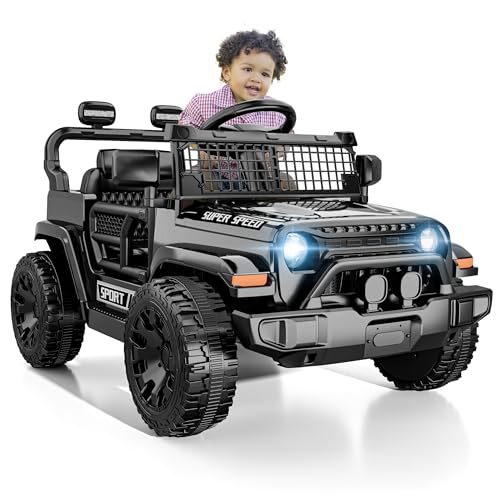
| Kidzone 2-seater 12V models | Mid-range buyers wanting a licensed-car look | Roundups list a 12V two-seater at about 5 mph for older children and a bumper-car style at about 3.5 mph for younger ones | Less independent coverage than the big brands; parts support varies |
How to Choose a 12V Ride-On
Match the vehicle to the child, not the box
Age labels are a starting point. A confident four-year-old may be ready for a 12V truck, while a cautious three-year-old may do better with the low-speed setting locked in. Most 12V models from the major makers offer two forward speeds, and the parent-controlled lock-out keeps a first-time driver at the lower one. That lock-out is one of the most useful features in this class, and it is worth confirming on any model before you buy.
Weight limits are usually combined for all riders, not per seat. The 130 lb figure the makers list for the Dune Racer Extreme, the Raptor Extreme and the Gator XUV is for two children together. If a child is near the upper end of the age range, the practical limit may be reached with one rider plus cargo, so read the label and manual rather than relying on the age range alone.
Terrain and speed
Smooth driveways and sidewalks are the easy case. Grass, gravel and mild slopes are where tire design and motor output matter. Reviewers generally describe Peg Perego vehicles as better in stock form on larger yards and rough ground, while Power Wheels models are praised for being easy to repair and upgrade because of the large aftermarket of replacement parts. Any ride-on struggles on wet grass or sharp inclines, and manufacturer manuals advise against use near roads, pools, steps and slopes.
Battery, charging and runtime
A 12V rechargeable battery is the norm. Reviewers cite runtimes of roughly one to two hours per charge depending on terrain and rider weight, though makers do not promise a fixed figure. The battery is the part most likely to be replaced during ownership, so confirm that replacements are widely sold for the model. Follow the maker charging instructions exactly: do not leave the battery on the charger beyond the stated time, and charge it before storing the vehicle for winter. Batteries should be kept out of children’s reach and disposed of through proper recycling.
Safety features worth looking for
- Parent-controlled speed lock-out: keeps beginners on the low gear.
- Power-lock or automatic braking: the Power Wheels models list brakes that engage when the pedal is released.
- Parent remote: found on many value models, letting an adult steer or stop the vehicle. Some Power Wheels listings differ on whether a remote is included, so read the box contents.
- Seat belt or restraint: listings vary by model, and a belt is not a substitute for supervision.
- Safety certification: look for a statement that the product meets the toy-safety standard for your region, and read the manual before first use.
Budget Tiers
Budget
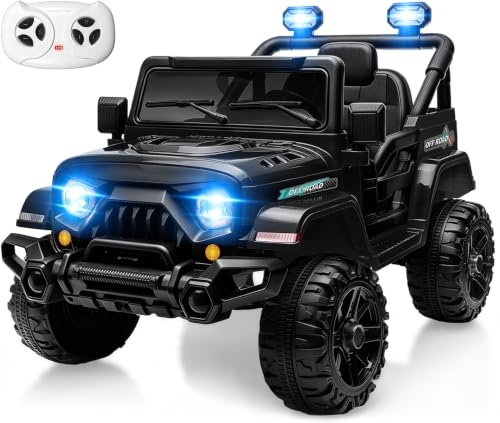
Value-oriented 12V cars, such as Best Choice Products models, typically add a parent remote and suspension at the lowest cost. The trade-off reported by reviewers is a slower top speed of about 2.8 mph and a lower rider capacity of around 61 lb, so these suit a single smaller child and mostly smooth surfaces. Expect lighter plastics and less aftermarket support.
Mid-range
Power Wheels is the main name here. The Dune Racer Extreme and the Ford F-150 Raptor Extreme both list 12V power, 5 mph top speed, two seats and a 130 lb combined limit. The steel frame and sidebars on the Dune Racer Extreme are among its stated features. This tier offers the widest parts availability, so repairs are manageable, and reviewers consider it a good balance of durability and fun for typical backyard use.
Premium
Peg Perego sits at the top of the range. The John Deere Gator XUV lists a dump bed with working tailgate, adjustable seat, 4.5 mph top speed and a two-speed layout. Reviewers say the extra cost buys sturdier construction and better grip on rougher ground, but note that the vehicle is slower and that charging the battery can be fussy. If a ride-on will be handed down through several children, this tier is the one reviewers favor for longevity.
Fit, Size and Assembly Notes
- Footprint: the Gator XUV is listed at about 54 in. long and 34.5 in. wide, so measure the garage door and any gate before ordering.
- Weight: the Raptor Extreme is listed at about 92 lb assembled, the Dune Racer Extreme at about 78 lb and the Gator XUV at about 61 lb, which matters if you need to lift it into a vehicle or shed.
- Assembly: most arrive in a large box and take one to three hours with a screwdriver. Follow the instructions in order, and keep spare screws and decals together.
- Storage: store the vehicle dry and charge the battery before and after any long break.
Pick X If… Decision Table
| Pick this | If you want | Be aware |
|---|---|---|
| Dune Racer Extreme | A sporty buggy for two kids and a repairable platform | Not for steep terrain |
| Ford F-150 Raptor Extreme | A truck look with a cargo bed and two seats | Heavier to move; read the manual for included features |
| John Deere Gator XUV | A rugged vehicle for grass and dump-bed play | Premium tier and slower top speed |
| Best Choice Products 12V car | Lowest cost with parent remote | One small rider, slower speed |
| Kidzone 12V two-seater | A licensed-car style in the middle tier | Less independent review coverage |
Alternatives to a 12V Car
- 6V ride-ons: slower and lighter, suited to toddlers on pavement or short grass.
- 24V models: faster and heavier, intended for older children, and generally not suitable for beginners.
- Pedal go-karts or balance bikes: a good choice if you want activity without a battery or charger.
Care and Safe-Use Tips
Always supervise young drivers, and keep the vehicle away from roads, driveways with traffic, water and steep slopes. A helmet is a sensible addition even at low speeds, and the manual may require closed-toe shoes. Inspect wheels, wiring and the battery connection regularly, and stop using the vehicle if you see exposed wires, a swollen battery or a burning smell. Replace worn parts only with those the manufacturer specifies.
Frequently Asked Questions
What age is a 12V ride-on suitable for?
Makers of the leading 12V models list ages of about three to seven or eight. A child needs to sit upright, reach the pedal and steer with confidence. Younger or smaller children often do better on a 6V model or with the low-speed lock-out engaged.
How fast does a 12V ride-on go?
The Power Wheels Dune Racer Extreme and Raptor Extreme list a top speed of 5 mph, and the Peg Perego Gator XUV lists 4.5 mph. Value models can be slower, with one reviewer reporting about 2.8 mph. Reverse is typically slower than forward.
How long does the battery last?
Reviewers report roughly one to two hours of play per charge, depending on terrain, rider weight and speed. Makers do not guarantee a runtime. Follow the charging guidance in the manual to extend battery life.
Can two kids ride at once?
Yes, on two-seat models, as long as their combined weight stays under the limit, which is 130 lb on the Power Wheels and Peg Perego models listed above. Single-seat or value models may support only one child. Always follow the label on the specific vehicle.
Are 12V ride-ons safe for grass and hills?
Many handle grass and gentle slopes, with Peg Perego often described as stronger on rough ground. Steep hills, wet grass and loose gravel can cause loss of control or stalled motors. Follow the manual and keep supervision close.
Can I upgrade a 12V ride-on to go faster?
Aftermarket upgrades exist for some Power Wheels models, but they can void warranties and raise safety concerns for young drivers. The maker lock-out and speed settings are there for a reason. If you consider modifications, read the manual and think carefully about the child’s skill and the added risk.