Key takeaways
- Best all-rounder: A 7–9 oz cotton-elastane chino in a mid-rise, straight-tapered cut.
- Best for travel: A 6–7 oz stretch chino with synthetic or performance fibers and a wrinkle-resistant finish.
- Best for business-casual work: A clean-front, 8–10 oz chino with modest stretch and a dark navy, charcoal, or khaki color.
- Best for hot weather: A 5–7 oz cotton-linen or lightweight cotton blend, accepting more wrinkles and faster wear.
- Best for durability: A 9–11 oz cotton twill with reinforced pocket openings and no more than 2% elastane.
- Best budget approach: Buy one midweight pair in navy and one in khaki rather than several very lightweight pairs that wear out quickly.
The best chino pants for everyday wear are medium-weight, cotton-rich pairs with about 1–3% stretch, a mid-rise, a straight or athletic-tapered fit, and a wrinkle-resistant finish; choose lighter fabric for travel and warmer climates, and heavier twill for office-to-weekend durability.
Our top picks

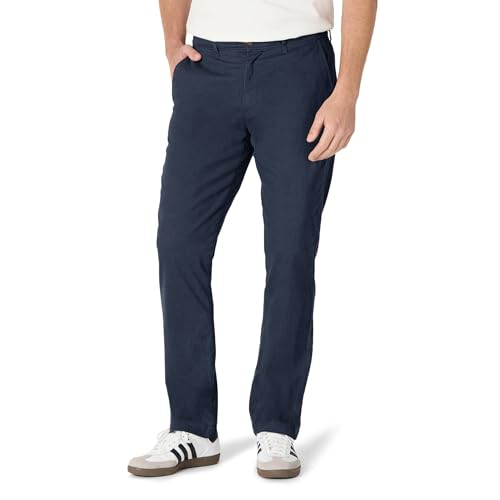

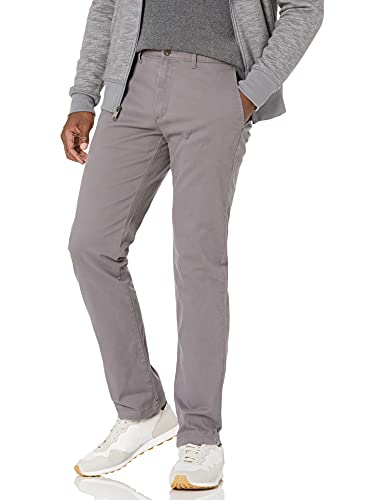
As an Amazon Associate we earn from qualifying purchases at no extra cost to you. Ratings are shown as listed on Amazon.
Quick picks by situation
- Best all-rounder: A 7–9 oz cotton-elastane chino in a mid-rise, straight-tapered cut.
- Best for travel: A 6–7 oz stretch chino with synthetic or performance fibers and a wrinkle-resistant finish.
- Best for business-casual work: A clean-front, 8–10 oz chino with modest stretch and a dark navy, charcoal, or khaki color.
- Best for hot weather: A 5–7 oz cotton-linen or lightweight cotton blend, accepting more wrinkles and faster wear.
- Best for durability: A 9–11 oz cotton twill with reinforced pocket openings and no more than 2% elastane.
- Best budget approach: Buy one midweight pair in navy and one in khaki rather than several very lightweight pairs that wear out quickly.
What separates good everyday chinos from merely acceptable ones?
Chinos look simple, but five specifications determine whether they remain comfortable and presentable through a full day: fabric weight, stretch, rise, fit, and wrinkle resistance. These features often pull in different directions. Lightweight fabric packs well but can look thin. More stretch feels comfortable but may lose shape. A slim cut appears sharp but restricts movement when sitting, driving, or climbing stairs.
| Chino type | Typical fabric weight | Stretch | Best use | Main compromise |
|---|---|---|---|---|
| Lightweight travel chino | 5–7 oz | 2–5% elastane or performance fiber | Flights, warm weather, frequent packing | Less structure and faster abrasion at the seat |
| Everyday midweight chino | 7–9 oz | 1–3% elastane | Daily casual wear and commuting | Not as cool as lightweight fabric |
| Office chino | 8–10 oz | 1–2% elastane | Business-casual dress codes | Usually less flexible and slower to dry |
| Heavy-duty cotton twill | 9–11 oz | 0–2% elastane | Frequent wear, cooler seasons, rough use | Warmer, stiffer, and more prone to initial creasing |
| Cotton-linen blend | 5–7 oz | 0–2% elastane | Summer casual wear | Natural wrinkles and less recovery at the knees |
Head-to-head: common chino styles and established options
Dockers Ultimate Smart Flex
Dockers’ Ultimate Smart Flex range is aimed at shoppers who want easy movement and a relatively polished appearance at a moderate price. Its stretch-focused construction suits commuting, casual offices, and long days sitting. The trade-off is that higher-stretch fabric can show knee bagging sooner if the trousers are worn several days in a row without washing or resting.
Choose this style when comfort is more important than a traditional, structured chino feel. Expect general-market pricing around $40–$80, depending on the specific cut and promotion.
Bonobos Stretch Washed Chino
Bonobos is particularly useful for shoppers who struggle to find a balanced waist and seat fit because it offers multiple fits and a broad size range. The washed finish gives these chinos a relaxed, broken-in appearance rather than a formal trouser look. They are a strong casual and smart-casual choice, especially in a tailored or athletic cut.
Check the fabric composition before ordering: some versions prioritize soft cotton comfort, while others use more stretch. A typical price range is about $90–$130.
J.Crew 484 Slim-Fit Chino
The 484 is a useful pick for a distinctly narrow silhouette through the thigh and leg. It works well with casual button-down shirts, knit polos, and low-profile sneakers, but it is not the safest choice for muscular thighs or anyone who frequently cycles, squats, or sits for long periods.
Size by the seat and thigh first; a waistband that is slightly loose can be adjusted, while a tight seat creates permanent pulling and pocket flare. Typical pricing is roughly $70–$110.
Uniqlo Smart Ankle Pants and stretch chino-style trousers
Uniqlo’s chino-adjacent stretch trousers are compelling when a clean appearance and accessible price matter more than traditional chino details. They are often lighter and more technical in feel than classic cotton twill. That makes them convenient for travel and warm indoor environments, although they may not satisfy shoppers who want rugged fabric or a conventional five-pocket chino construction.
They generally sit in the lower-to-middle price tier, often around $30–$60. Confirm the exact leg length and fabric blend because Uniqlo’s trouser families differ considerably.
How to choose the right rise and fit
Rise is the distance from the crotch seam to the top of the waistband. A mid-rise is the most versatile: it normally sits near the natural waist-to-hip area, stays secure while walking, and works with tucked or untucked shirts. A low rise can look modern but may expose the back when bending. A high rise offers more coverage and a longer-looking leg line but can feel restrictive if the waistband is too firm.
- Slim: Best for a narrow leg profile; avoid if fabric pulls horizontally across the thighs.
- Straight: The safest everyday shape, with enough room for movement and easy pairing with most shoes.
- Athletic: More room through the seat and thigh with taper below the knee; ideal when slim trousers pinch at the upper leg.
- Relaxed: Better for comfort and casual outfits, but can look oversized if the rise and hem are also long.
For length, a slight break at the shoe is the most adaptable choice. A no-break hem looks cleaner with sneakers and loafers but demands more accurate inseam sizing. When trying chinos on, sit for five minutes: the waistband should remain comfortable, the front pockets should lie flat, and the knees should not feel stretched.
Wrinkle resistance: what it can and cannot do
Wrinkle-resistant chinos are not wrinkle-proof. A synthetic blend, mechanical stretch, or wrinkle-control finish can reduce creasing, but tightly packing trousers still creates folds. The most reliable travel combination is a 6–8 oz fabric, moderate stretch, and a smooth surface rather than a heavily brushed finish.
For packing, fold the chinos along the pressed crease, place them near the top of the bag, and hang them as soon as you arrive. Lightly misting the fabric with water and allowing it to hang can relax minor creases. Avoid very hot dryers, which can shrink cotton and degrade elastane. If a care label permits tumble drying, remove the trousers while slightly damp.
Decision matrix: which chinos fit your routine?
| Your situation | Recommended specification | Why it works |
|---|---|---|
| Worn 3–5 days per week | 7–9 oz, 1–2% stretch, straight or athletic fit | Balances airflow, shape retention, and durability |
| Frequent flights or business travel | 6–8 oz, 2–5% stretch, wrinkle-resistant finish | Comfortable when seated and easier to refresh after packing |
| Conservative office dress code | 8–10 oz, low-shine cotton twill, mid-rise | Looks closer to tailored trousers than athletic travel pants |
| Hot, humid climate | 5–7 oz cotton or cotton-linen blend | Reduces heat retention; natural wrinkles are acceptable |
| Physical work or rough daily use | 9–11 oz cotton twill, reinforced pockets, 0–2% stretch | Resists abrasion and retains structure longer |
| Large thighs or athletic build | Athletic fit, mid-rise, 1–3% stretch | Prevents seat strain without requiring an oversized waist |
Ownership costs and common failure points
The waistband and seat usually show wear before the legs do. Repeated sitting creates abrasion, while belts can damage belt loops and frequent hot washing can fade dark colors. Elastane may lose recovery before the cotton looks worn, producing a permanently loose waistband or baggy knees.
As a simple value calculation, a $90 pair worn twice weekly for one year gets about 104 wears, or approximately $0.87 per wear before laundering. A $45 pair worn once weekly for six months gets about 26 wears, or approximately $1.73 per wear. The cheaper purchase is not automatically the lower-cost choice if the fabric loses shape quickly.
- Wash chinos inside out in cool or warm water according to the care label.
- Use a moderate spin and remove them promptly to reduce set-in creases.
- Air-dry when practical; high heat is especially hard on stretch fibers.
- Rotate at least two pairs so the fabric and waistband can recover between wears.
- Do not size down to compensate for stretch. The trousers should fit correctly before the fabric gives.
Final recommendation
For most shoppers, start with a mid-rise, straight or athletic-tapered chino weighing about 7–9 oz and containing 1–3% elastane. Pick navy for the most versatile first pair and khaki for a lighter casual option. Move to a lighter, more synthetic blend only when travel or hot weather is the priority, and choose heavier cotton twill when durability matters more than packability. Brands such as Dockers, Bonobos, J.Crew, and Uniqlo cover these categories well, but the fabric specification and actual fit matter more than the label on the waistband.