Our Short List of 3
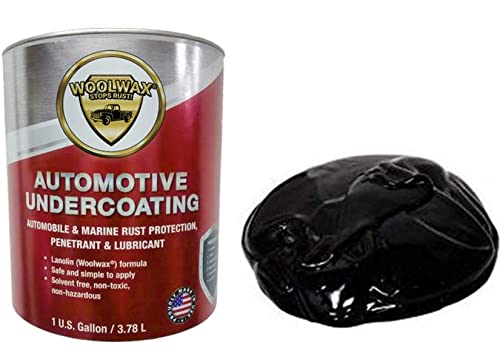
- Best for: a full underbody job on a classic that needs long-lasting wet-film protection.
- Lanolin-based raw wool grease formula
- Solvent-free formula
- Thick film for frames and underbody
- Model wwuc1b

- Best for: wheel wells and underbody panels on a classic that needs a dry, neat finish.
- Professional grade rubberized undercoating spray
- 15 oz cans, 6-pack
- Model 248656
- Matte black finish

- Best for: panels, wheel wells, and repaired sections that need a tough rubberized skin.
- Professional grade rubberized undercoating
- 16 oz aerosol can
- Asphalt-based formula
- Model 03584
All 3 Picks at a Glance
| Product | Specs | Action |
|---|---|---|
| Woolwax One Gallon Auto Truck Undercoating, Black |
| Check price on Amazon |
| Rust-Oleum Stops Rust Professional Grade Rubberized Undercoating Spray, 15 oz, 6-Pack |
| Check price on Amazon |
| 3M 03584 Professional Grade Rubberized Undercoating, 16 oz |
| Check price on Amazon |
Key takeaways
- Find the best undercoating for classic cars, from lanolin films that creep into seams to rubberized sprays and internal frame coatings that guard metal.
A classic car earns its value from solid metal, and rust is the one thing that can take that value away, from the inside out. Undercoating is the layer that stands between road salt, moisture, and the frame rails, floor pans, and wheel wells of an old car. The real decision is not which brand looks toughest in the can. It is which type of protection matches the metal you have: a wet film that creeps into seams and stays flexible, a hard coating that seals prepared steel, or a rubberized spray that deadens sound and shields panels.
This guide covers five undercoating products chosen from names and specifications shown on their Amazon listings. The group spans lanolin films, rubberized sprays, and a coating made for the inside of boxed frames. Whether you drive your classic in all weather, keep it garaged and trailer it to shows, or are restoring a car that already shows rust, one of these five should fit how you use the car.
Quick Picks
As an Amazon Associate we earn from qualifying purchases
| Product | Best for | Key spec from title |
|---|---|---|
| Fluid Film Black Non-Aerosol, 1 Gallon | Wet lanolin film for seams and frames | Lanolin-based, stays wet, 1-gallon size |
| Woolwax One Gallon Auto Truck Undercoating, Black | Long-lasting lanolin film for frames and trucks | Lanolin-based, model wwuc1b, 1-gallon size |
| Rust-Oleum Stops Rust Professional Grade Rubberized Undercoating Spray, 15 oz, 6-Pack | Rubberized spray for wheel wells and panels | 15 oz cans, 6-pack, model 248656 |
| 3M 03584 Professional Grade Rubberized Undercoating, 16 oz | Rubberized spray for panels and underbody | 16 oz aerosol, asphalt-based |
| Eastwood Internal Frame Coating Aerosol | Inside boxed frame rails | Aerosol with applicator nozzle |
How to Choose
Match the Coating to the Metal
The first choice is the coating type, and it depends on the condition of the metal underneath. Wet lanolin films stay soft and keep creeping into seams, which suits flexing frames and floor pans. Hard coatings seal steel that has been cleaned and prepared, and they fail over loose rust or flaking paint. Rubberized sprays sit in the middle: they dry to a tough skin on panels and wheel wells, but need a clean, dry surface to bond. Look at the worst area of your car first. If the metal is sound and clean, any of the three types can work. If it is rough and pitted, a wet film or a full prep job comes before any spray.
Think About Seams, Cavities, and Hidden Areas
Rust on a classic rarely starts on a flat panel you can see. It starts inside boxed frame rails, behind rocker panels, and along folded seams where water sits and air never reaches. A coating that only covers flat surfaces leaves the worst spots untouched. Lanolin films earn their place here because they creep into seams and stay wet inside cavities. For the inside of a boxed frame, a dedicated internal frame coating with a long applicator nozzle reaches places no spray can or brush ever will. Before you buy, map the hidden areas on your car and check that your chosen product can actually reach them.
Plan for Reapplication and Mess
Undercoating is not a one-time job, and the maintenance schedule differs sharply by type. Lanolin films stay wet, so they need reapplication: Fluid Film is generally reapplied yearly, while Woolwax maker guidance cited in listings points to two or more years. Rubberized sprays dry hard and last until they are chipped or peeled, so they need inspection rather than a calendar schedule. The wet films also bring mess: they stay tacky, transfer to hands and clothes, and can drip for a day after application. That matters on a show car, where a dry rubberized finish on visible areas may be the better trade.
Mind the Spray Conditions and Safety
Application conditions decide how well any undercoating bonds, and aerosols add safety rules of their own. Most products want a clean, dry surface and moderate temperatures, so a cold, damp garage floor is the wrong setting for the job. Mask off brakes, exhaust parts, and moving components before you spray anything, and keep rubberized coatings off surfaces that need to stay bare. Work with ventilation and wear a respirator when the product safety data sheet calls for one, especially with aerosol sprays in an enclosed space. Read the safety data sheet for the exact product you buy, and treat its guidance as part of the job, not an afterthought.
The 5 Best Options
Fluid Film Black Non-Aerosol, 1 Gallon
Fluid Film is a lanolin-based film that stays wet after application, which is exactly what a classic frame needs when water keeps finding its way into seams. The film creeps into joints and folded edges, and it stays flexible instead of cracking as the car flexes on the road. The gallon size suits a full underbody job applied with a spray gun, and the black color blends in under a dark car. Because it never fully dries, plan on reapplying it yearly, and expect some transfer onto hands and clothes after the job.
Specs
- Lanolin-based non-aerosol formula
- 1-gallon container size
- Stays wet and creeps into seams
- Solvent-free wool-wax with refined petroleum oils
Best for: frames, floor pans, and seams on a classic driven in wet weather.
Watch out for: it stays wet and tacky, so it can mark clothes and drip after application.
Woolwax One Gallon Auto Truck Undercoating, Black
- Best for: a full underbody job on a classic that needs long-lasting wet-film protection.
- Lanolin-based raw wool grease formula
- Solvent-free formula
- Thick film for frames and underbody
- Model wwuc1b
a full underbody job on a classic that needs long-lasting wet-film protection.
check maker guidance on reapplication, since some sources suggest yearly touch-ups rather than two full years.
Woolwax is a lanolin-based coating made from raw wool grease, and it lays down a thicker film than most wet undercoatings. That thickness is the point: it stays in place on frames and underbody panels and keeps moisture away from the metal for a long stretch. Maker guidance cited in listings points to two or more years of protection, though some sources suggest checking yearly and touching up as needed. It sprays through a gun at 70 to 90 psi, so it fits a shop setup or a well-equipped home garage. The black finish looks tidy under the car.
Watch out for: check maker guidance on reapplication, since some sources suggest yearly touch-ups rather than two full years.
Rust-Oleum Stops Rust Professional Grade Rubberized Undercoating Spray, 15 oz, 6-Pack
- Best for: wheel wells and underbody panels on a classic that needs a dry, neat finish.
- Professional grade rubberized undercoating spray
- 15 oz cans, 6-pack
- Model 248656
- Matte black finish
wheel wells and underbody panels on a classic that needs a dry, neat finish.
this listing is the 6-pack of model 248656, not the single can or the consumer-grade variant.
Rust-Oleum Professional Grade Rubberized Undercoating dries to a matte black skin that shields wheel wells and panels from stone chips and road spray. The six-pack suits a whole car: one can covers a wheel well or a section of floor pan, and the any-angle spray helps reach awkward spots around suspension mounts. It dries in about an hour, so the car can go back on the ground the same day. This is a surface coating, not a cavity treatment, so pair it with a lanolin film or an internal frame coating for the hidden areas.
Watch out for: this listing is the 6-pack of model 248656, not the single can or the consumer-grade variant.
3M 03584 Professional Grade Rubberized Undercoating, 16 oz
- Best for: panels, wheel wells, and repaired sections that need a tough rubberized skin.
- Professional grade rubberized undercoating
- 16 oz aerosol can
- Asphalt-based formula
- Model 03584
panels, wheel wells, and repaired sections that need a tough rubberized skin.
it needs a clean, dry surface, so do not spray it over loose rust or dirt.
The 3M 03584 is an asphalt-based rubberized spray built for panels and underbody surfaces that take stone chips and road spray. It dries to the touch in about an hour and reaches a full cure in 24 hours, which makes it easy to plan around a weekend job. The 16 oz aerosol suits spot work and smaller areas, such as a pair of wheel wells or a repaired floor pan section. Like other rubberized coatings, it needs a clean, dry surface to bond, so prep decides the result. It also deadens sound, which is a welcome bonus in a thin-skinned classic.
Watch out for: it needs a clean, dry surface, so do not spray it over loose rust or dirt.
Eastwood Internal Frame Coating Aerosol
Eastwood Internal Frame Coating is the only product here made for a place you cannot see: the inside of boxed frame rails. The aerosol comes with an applicator nozzle that reaches deep into a rail, and the coating both converts surface rust and lays down a barrier film. On a classic, the inside of the frame is often the first place to rust through, and it is the last place a normal spray can reaches. Use it before any outside coating, and treat it as the hidden half of a frame job rather than a standalone fix.
Specs
- Internal frame coating aerosol
- Includes applicator nozzle
- Converts surface rust and forms a barrier coating
- Made for inside boxed frame rails
Best for: the inside of boxed frame rails on a classic with hidden rust risk.
Watch out for: some listing notes say it is not sold in California, so check availability for your state.
Which One Fits Your Situation
Daily-Driven Classic in a Salt State
A car that sees rain, slush, and road salt needs a coating that keeps working when water keeps coming. Fluid Film is the pick here: the wet lanolin film creeps into seams, stays flexible, and can be reapplied each year as part of a seasonal routine. Woolwax is the alternative if you want a thicker film and a longer interval between applications. Either way, treat the frame rails and seams first, then cover the flat panels.
Show Car or Garage Queen
A classic that lives indoors and travels on a trailer needs protection that looks tidy and stays put. Rust-Oleum rubberized spray is the pick for wheel wells and visible underbody panels, since it dries to a neat matte black finish with no wet residue. Keep lanolin films away from areas a judge or a visitor might touch, or use them only inside cavities where the mess never shows. Inspect the coating each spring and touch up chips before they spread.
Restoring a Car with Hidden Rust
A restoration usually finds rust in places the outside never showed, especially inside boxed rails and behind rockers. Eastwood Internal Frame Coating is the pick for those hidden spaces, since its nozzle reaches inside the rail and its formula converts surface rust while laying down a barrier. Follow it with Fluid Film on the seams and joints, so the wet film keeps protecting the areas the frame coating could not reach. Clean loose scale first either way.
Frame-Off Build or Full Underbody Job
A frame-off build is the one chance to coat everything while access is easy, so a gallon-size product earns its keep. Woolwax is the pick here: the gallon covers a full frame and underbody through a spray gun, and the thick lanolin film protects for a long interval. Add 3M rubberized spray on the wheel wells for a tough, dry skin where stones hit hardest. Doing both in one session saves a second round of masking and cleanup later.
Common Mistakes
- Spraying a rubberized coating over loose rust, dirt, or flaking paint instead of cleaning the surface first.
- Coating brakes, exhaust parts, or moving components that must stay bare and free to work.
- Sealing active rust under a hard coating without removing or converting it first, so corrosion keeps spreading underneath.
- Coating only the flat panels and forgetting the inside of boxed frames, rocker panels, and folded seams.
- Treating undercoating as permanent and skipping the reapplication schedule that wet lanolin films need.
Frequently Asked Questions
How often should I reapply undercoating on a classic car?
It depends on the type. Wet lanolin films need regular reapplication: Fluid Film is generally reapplied yearly, while Woolwax maker guidance points to two or more years. Rubberized sprays dry hard and last until they are chipped, peeled, or damaged, so they need inspection rather than a set schedule. Inspect the underbody each spring and touch up any thin or damaged areas before the wet season starts.
Can I spray undercoating over surface rust?
Clean loose rust, scale, and dirt first, whatever coating you use. Rubberized sprays need a clean, dry surface to bond, and they will peel if they are laid over loose material. Lanolin films are more forgiving on imperfect metal, but they still work best after loose scale is removed. For rust inside a boxed frame, use a dedicated internal frame coating that converts surface rust before you seal the area.
Will undercoating hurt a show car?
It can, if you choose the wrong type for a visible area. Lanolin films stay wet and tacky, so they can transfer to hands, clothes, and judging gloves, and they look messy on panels. For a show car, use a dry rubberized spray on wheel wells and visible underbody areas, and keep wet films inside cavities and seams where they never show. Mask carefully around anything that should stay clean.
Do I need to remove the old undercoating first?
Remove any loose, flaking, or peeling material, since a new coating cannot bond to a layer that is already letting go. Sound, well-adhered old coating can usually stay, but check underneath it for trapped moisture or rust before you cover it again. If the old layer hides corrosion, strip that section back to clean metal, treat it, and then recoat.
More from Amazon
Programs that pair well with the guide above. Offers and eligibility are set by Amazon and may change.
Free shipping on eligible items, Prime Video and more. Eligible new members can start with a free trial.
Start a Prime free trialAudiobooks and podcasts to listen to on the go. Eligible new members can start with a free trial.
Try Audible freeAd-free music streaming. Eligible new subscribers can start with a free trial.
Try Music Unlimited freeA free business account with business pricing and bulk-buying tools for work, shop or home office.
Create a business accountAs an Amazon Associate we earn from qualifying purchases.