Key takeaways
- The right powertrain depends mostly on how and where you drive and charge: gas suits long, unpredictable trips and limited charging access.
The right powertrain depends mostly on how and where you drive and charge: gas suits long, unpredictable trips and limited charging access, a hybrid suits mixed commuting without any plug-in routine, and an electric car suits drivers who can charge at home or work and want low running costs. Few buyers fit one answer perfectly, so the useful question is which trade-offs you can live with.
This guide is for anyone weighing a purchase or lease in 2026 and comparing the three side by side. It covers how each type works, the costs that matter beyond the sticker, ownership realities such as charging and servicing, and a simple way to match your habits to a choice.
How the Three Types Differ
A gasoline car burns fuel in an engine to turn the wheels, with a conventional transmission. It is the most familiar design, with fuel stations nearly everywhere and a large service network.
A hybrid pairs a gasoline engine with an electric motor and a small battery that recharges itself through braking and engine power. You still only fill the fuel tank. Plug-in hybrids add a larger battery that you can charge from an outlet for short electric-only trips, then switch to gasoline for longer ones.
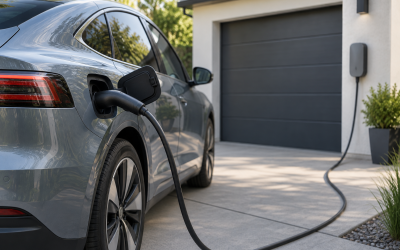
A battery-electric car has no engine. A large battery powers one or more motors, and you recharge from a home outlet, a wall charger or public fast chargers. There is no tailpipe and no oil to change.
Side-by-Side Comparison
| Factor | Gas | Hybrid | Electric |
|---|---|---|---|
| Refueling or charging | Quick stops almost anywhere | Same as gas | Home charging plus public networks |
| Running cost | Highest fuel spend | Lower fuel spend than gas | Usually lowest per mile with home charging |
| Upfront cost | Often lowest | Often slightly higher | Often higher, depending on incentives |
| Routine maintenance | Oil, filters, belts, exhaust | Similar, with less brake wear | Fewer fluids, tires and brakes still needed |
| Long road trips | Simple | Simple | Needs planning around fast chargers |
| Cold weather | Little effect on range | Moderate effect on efficiency | Range and charging speed can drop |
| Quietness | Engine noise present | Quiet at low speeds | Very quiet |
What to Weigh Before You Decide
Where You Will Charge
This is the biggest dividing line for electric ownership. If you park in a garage or driveway with access to an outlet or wall charger, charging is easy and cheap. If you rely on street parking or a shared lot without charging, daily life gets harder, and public charging costs more.
How Far and How Often You Drive
Short daily commutes favor electric and plug-in hybrids, since overnight charging covers most trips. Regular long drives through sparse areas favor a gas or standard hybrid, unless the route has dependable fast charging.
Total Cost, Not Just the Sticker
Add purchase or lease cost, fuel or electricity, insurance, maintenance, and expected resale value. Incentives, rebates and tax rules change often and vary by location, so check the current rules for your area before assuming a discount applies.
Climate and Terrain
Cold weather reduces the range of an electric car and slows charging, while hot weather has smaller effects. Hilly or towing use changes efficiency in all three types. If you tow regularly, check the manufacturer’s rating for the specific model.
Ownership Realities Often Overlooked
Electric cars need less routine servicing, but tires can wear faster because of vehicle weight and instant torque. Battery warranties are typically long, though terms differ, so read the details. Hybrids are mature technology with a long track record, which many buyers find reassuring.
Gas cars remain simple to refuel and repair almost anywhere. Shops that work on electric cars are growing, but availability still varies by region, so ask about local service before buying.
Before You Buy Checklist
- Confirm where you will charge or fuel on a normal week.
- List your longest regular trip and check the route for chargers if considering electric.
- Compare insurance quotes for each model, since they differ.
- Ask about battery warranty length and what it covers.
- Test drive each type, paying attention to braking feel and cabin noise.
- Check local incentive rules and deadlines directly with official sources.
Matching Your Habits to a Choice
If you drive short routes, charge at home and want low operating costs, electric tends to be the best fit. If you want better fuel economy but cannot plug in at home, a hybrid delivers savings with no change in routine. If you cover long distances in remote areas, tow or have tight upfront budgets, gas remains practical.
A plug-in hybrid can bridge both worlds for drivers with a charger and an occasional long trip, but only pays off if you actually plug in regularly.
Typical Driver Profiles
The City Commuter
Short trips, frequent stops and a fixed parking spot make this driver a natural fit for electric or a plug-in hybrid. Stop-and-go traffic is where regenerative braking recovers the most energy, and a standard hybrid also shines here because the engine often shuts off at idle.
The Highway Road Tripper
Long stretches at steady speeds reduce the advantage of hybrids, since the engine does most of the work, and they challenge electric cars unless chargers line the route. Gas, or an efficient hybrid, keeps stops short and planning simple.
The Family With One Car
A single vehicle has to handle school runs, errands, weekend trips and the occasional haul. Space, cargo room and flexibility matter more than efficiency alone. Many families find a hybrid or a plug-in hybrid gives a good balance, but an electric car works well if home charging is reliable and holiday routes have fast chargers.
The Rural or Towing Driver
Long distances between services and heavy loads favor gas, where fuel is easy to find. Towing reduces range in every powertrain, and for electric cars the drop can be large, so check the manufacturer’s towing guidance before committing.
Resale Value and Long-Term Thinking
Used-car prices for electric and hybrid models shift as battery technology, incentives and new releases change. A model that looks like a bargain today can lose value quickly if newer versions arrive with much longer range. Gas cars tend to have steadier, more predictable resale patterns, though changing regulations and fuel prices can shift that picture over time.
If you plan to keep the car for ten years or more, long-term reliability, battery warranty and service access deserve more weight than the current price. If you swap cars every few years, focus on lease terms, depreciation and incentives that apply when you buy.
Insurance, Registration and Other Fees
Costs beyond fuel and service vary by powertrain. Insurance premiums often depend on repair cost, and electric models with expensive batteries or specialty parts may cost more to cover. Some regions charge additional registration fees for electric or hybrid cars to replace fuel tax revenue, while others offer reduced fees or lane access perks.
Request quotes for the exact trims you are considering before you sign anything, and ask the seller what fees apply at registration in your area.
Related guides
- How Driver Assistance Features Like Lane Keeping And Automatic Braking Work
- Why Tire Pressure Warning Light Comes On In Cold Weather
- How To Find The Right Wiper Blade Size For Your Car
Frequently Asked Questions
Are electric cars cheaper to own overall?
Often, when you charge at home and drive enough miles, since electricity and maintenance tend to cost less than fuel and servicing. A higher purchase price and insurance can narrow the gap, so run the numbers for your situation.
Do hybrids need to be plugged in?
Standard hybrids do not. They recharge their small battery while driving. Only plug-in hybrids have a charging port, and they work as ordinary hybrids if you never plug them in, though you lose the main benefit.
How long do electric car batteries last?
Many are covered by multi-year warranties, and they gradually lose capacity over time. Actual lifespan depends on climate, charging habits and the specific design, so review warranty terms for your model.
Is now a good time to switch?
That depends more on your charging access and driving pattern than on the calendar. If your current car still serves you well, there is no need to rush, and you can revisit as models and incentives change.
More from Amazon
Programs that pair well with the guide above. Offers and eligibility are set by Amazon and may change.
Free shipping on eligible items, Prime Video and more. Eligible new members can start with a free trial.
Start a Prime free trialAudiobooks and podcasts to listen to on the go. Eligible new members can start with a free trial.
Try Audible freeAd-free music streaming. Eligible new subscribers can start with a free trial.
Try Music Unlimited freeA free business account with business pricing and bulk-buying tools for work, shop or home office.
Create a business accountAs an Amazon Associate we earn from qualifying purchases.