
Key takeaways
- Motion detection: the camera watches the image and starts recording when something moves in frame. It is simple, but it can trigger on passing pedestrians, rain or shifting light.
- Impact (G-sensor) detection: the camera wakes when it senses a bump or a door ding, and locks the clip. It sees the event only after the contact happens unless the camera uses a buffer.
- Buffered recording: the camera keeps a rolling few seconds of footage in memory, so the saved clip includes moments before the trigger. Vantrue describes this as capturing from several seconds before an event, and Viofo offers a similar buffered parking mode.
- Radar-based detection: Thinkware’s U3000 line uses radar sensors to detect approaching movement in a low-power state, with the stated goal of reducing false alarms and drawing less power than constant video.
- Time-lapse: a low-frame-rate recording that covers the whole parked period using little storage and power, with no event triggers needed.
If you want a dash cam that records while the car is parked and wakes up on movement, the Viofo A229 Pro is the all-round pick most 2026 roundups name, the Vantrue N4 Pro suits buyers who want cabin and rear coverage in one unit, and the Thinkware U3000 is the choice for radar-based parking detection when you are willing to pay premium money. All three need a hardwire kit or battery pack to deliver real parking protection, which is the main thing to plan around.
Our top picks


As an Amazon Associate we earn from qualifying purchases at no extra cost to you.
How motion detection works in parking mode
Dash cam makers use three main approaches when the engine is off:
- Motion detection: the camera watches the image and starts recording when something moves in frame. It is simple, but it can trigger on passing pedestrians, rain or shifting light.
- Impact (G-sensor) detection: the camera wakes when it senses a bump or a door ding, and locks the clip. It sees the event only after the contact happens unless the camera uses a buffer.
- Buffered recording: the camera keeps a rolling few seconds of footage in memory, so the saved clip includes moments before the trigger. Vantrue describes this as capturing from several seconds before an event, and Viofo offers a similar buffered parking mode.
- Radar-based detection: Thinkware’s U3000 line uses radar sensors to detect approaching movement in a low-power state, with the stated goal of reducing false alarms and drawing less power than constant video.
- Time-lapse: a low-frame-rate recording that covers the whole parked period using little storage and power, with no event triggers needed.
Reviewers generally prefer a combination of motion and impact triggering with a buffer, because it catches both slow approaches and sudden knocks.
At a glance
| Model | Best for | Stated or reported key points | Limits |
|---|---|---|---|
| Viofo A229 Pro | Best all-round parking protection | Reviewers cite 4K front and 2K rear, Sony Starvis 2 sensors, three parking detection modes including motion plus impact, buffered recording | Needs a hardwire kit; app and menus take time to learn |
| Viofo A329S | Buyers wanting a newer Viofo | Ranked best overall by one outlet | Sources disagree on whether its parking detection is radar-style or buffered; check the maker page |
| Vantrue N4 Pro | Front, cabin and rear coverage | Three cameras; the maker lists all channels active in parking mode with buffered motion and impact clips | Larger body; more cables to route |
| Vantrue E1 Pro | Budget buyers | Listed in roundups as the lower-cost Vantrue | Fewer channels and features than the N4 Pro |
| Thinkware U3000 / U3000 Pro | Premium radar-based parking | Front and rear radar sensing in low-power parking mode; one reviewer reports multiple days of parking on an external battery | Top price tier; installation is more involved |
Many roundups on this topic are affiliate-style, so compare several and read the maker’s own specification page for the exact model and region.
Viofo A229 Pro: the value all-rounder
Viofo has built a reputation among enthusiasts for strong image quality at a mid-range tier. Reviewers highlight the A229 Pro’s Sony Starvis 2 low-light sensors and say plate legibility at night is a strength. It supports three parking modes: motion, impact, and time-lapse, and can combine motion and impact. A buffered mode keeps footage from just before the trigger. The cautions are the learning curve in its settings and the need for a hardwire kit with a low-voltage cut-off so it does not drain the car battery.
Vantrue N4 Pro: three-channel coverage
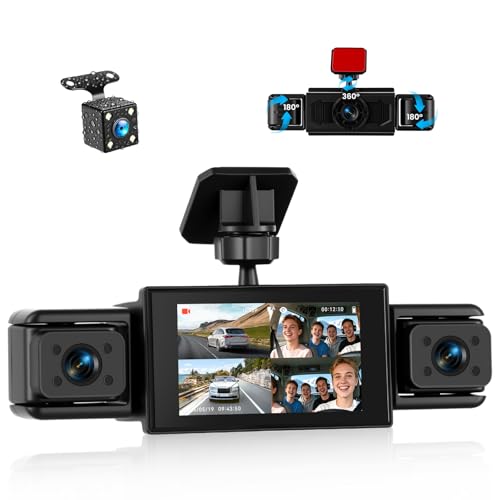
The N4 Pro records the road, the cabin and the rear window. For rideshare drivers or anyone who wants cabin footage, that matters. Vantrue says all three channels stay active in parking mode, and that buffered motion and impact detection saves footage from ten seconds before an event. The trade-off is a bulkier body and more wiring. The smaller E1 Pro sits in the budget tier for those who do not need three channels.
Thinkware U3000: radar-based parking
Thinkware’s U3000 series uses radar to sense nearby motion, and the maker positions the low-power parking mode as a way to start recording before contact. One reviewer reports a multi-day parking run on an external battery. It costs more than Viofo or Vantrue and installation is more involved, so it suits owners who park in busy lots and street locations and want the most deliberate trigger system.
Power and installation: the part most buyers overlook
- Hardwire kit: connects to the fuse box and provides constant power with a voltage cut-off. Both Viofo and Vantrue require one for proper parking mode. If you are not comfortable working with fuses, use a professional installer.
- External battery pack: a dedicated pack powers the camera without drawing from the car battery. It is a cleaner option for cars with sensitive electronics or when you want multiple days of parking coverage.
- Cut-off setting: set the low-voltage threshold according to your battery, climate and driving pattern. Cold weather reduces battery capacity.
- Heat: a camera behind the windshield in hot climates may be affected. Look for makers that list supercapacitors rather than lithium batteries, since they tend to handle heat better.
- Storage: use a high-endurance microSD card of the capacity the maker lists. Parking mode writes a lot of clips, and cards wear out faster than you expect.
- Local rules: recording laws and windshield placement rules vary. Check your local regulations, particularly for cabin audio and cameras that face the interior.
Budget tiers
Budget: Single-channel cameras such as the Vantrue E1 Pro, or similar entry models, usually offer a basic motion trigger and fewer image tuning options. Expect to pay attention to low-light footage and card compatibility.
Mid-range: The Viofo A229 Pro and A329S live here. This tier tends to give the best balance of image quality, parking options and installation flexibility.
Premium: The Vantrue N4 Pro and Thinkware U3000 are priced higher for three-channel coverage and radar-based sensing, respectively, along with more polished support in some regions.
Pick X if… decision table
| If you want… | Pick | Why |
|---|---|---|
| The best mix of price and parking features | Viofo A229 Pro | Three parking modes, buffered clips, strong night footage reported |
| Cabin and rear coverage plus parking mode | Vantrue N4 Pro | Maker lists all three cameras active when parked |
| Fewer false triggers on a busy street | Thinkware U3000 Pro | Radar-based low-power detection |
| A lower-cost way in | Vantrue E1 Pro | Budget model from a parking-focused maker |
| A newer Viofo with current features | Viofo A329S | Roundups rank it highly; confirm parking features on the maker page |
Alternatives
- Garmin Dash Cam series: compact, with voice control and a simple app, though parking features need a Garmin power cable.
- BlackVue models: a long-established brand with cloud-connected options for owners who want remote alerts and have a reliable hotspot.
- Time-lapse-only recording on a basic cam: if your main goal is documenting hit-and-runs in a quiet garage, a simpler camera with time-lapse and impact detection may be enough.
Reading the spec sheet
Resolution headlines are only part of the story. For parked-car evidence, sensor quality, lens aperture and how the camera handles headlights and dark car parks matter more than the pixel count. Look for a wide dynamic range feature, which the makers describe as balancing bright and dark areas, and check whether the camera records on all channels while in parking mode. Wi-Fi or app support is handy for pulling clips without removing the card, though the app experience varies by brand and reviewers often mention occasional connection quirks. GPS logging adds location and speed data to clips, which can be useful if you need to document an incident. Finally, read the maker’s guidance on card capacity and loop recording, so older footage is not overwritten before you can review it.
Also think about how long you park. A car left at an airport for a week is a different challenge from one parked at work for eight hours. Motion-triggered recording in a quiet garage might use little power, while a busy street can trigger constantly and run down a battery sooner. Adjust sensitivity, use a timer cut-off where offered, and review a few days of clips to see whether the camera is triggering too often.
Frequently Asked Questions
Will a dash cam with motion detection drain my car battery?
It can, if it is connected to constant power without a voltage cut-off. A hardwire kit with a low-voltage cut-off or a dedicated external battery pack is meant to prevent this. Set the threshold appropriately for your battery and climate.
What is the difference between motion detection and impact detection?
Motion detection starts recording when the image changes, such as someone approaching. Impact detection starts or locks a clip when the camera senses a bump. Many parking modes combine both, and buffered recording helps capture the seconds before the trigger.
Do I need a hardwire kit?
For reliable parking mode, yes in most cases. Plugging into a cigarette lighter socket often shuts off when the car does, and some sockets stay live but supply less predictable power. If you are unsure about fuse box work, have a qualified installer fit it.
Is radar detection better than motion detection?
Radar-based detection, such as on the Thinkware U3000 range, is intended to cut false triggers and use less power. It generally costs more. Motion plus impact with a buffer is a capable and cheaper alternative for most owners.
How much storage do I need for parking mode?
Parking mode creates many short clips, so choose a high-endurance microSD card in the size the maker lists, and plan to format it from time to time. Time-lapse modes use much less space than constant motion recording.
Can parking mode record a collision caused by another driver?
It is designed to, but results depend on camera placement, light and trigger sensitivity. A dash cam is not a guarantee of capturing every incident, so also park in well-lit spots and keep the lens clean.




