
Key takeaways
- Measure your chest and compare it with the size chart rather than assuming your usual size applies.
- Try the jacket with the layers you will wear underneath.
- Raise your arms to check that the hem does not ride up and the sleeves do not tug.
- Check the length if you plan to wear a pack, since a short jacket may expose your lower back.
- Remember that a closer fit generally improves warmth and mobility, while a looser fit is easier to layer.
For most men, a mid-weight softshell with a stretchy, breathable face fabric and a light water-repellent finish, such as the Outdoor Research Ferrosi or the Patagonia Adze Hybrid, covers hiking, commuting and cool-weather layering. The Arc’teryx Gamma suits those who want a premium, highly durable option for alpine and ski-touring use, while the Columbia Ascender line and the Marmot Rom 2.0 suit budget-conscious and mid-range buyers. A softshell is not a rain jacket, so keep a waterproof shell for sustained downpours.
Our top picks
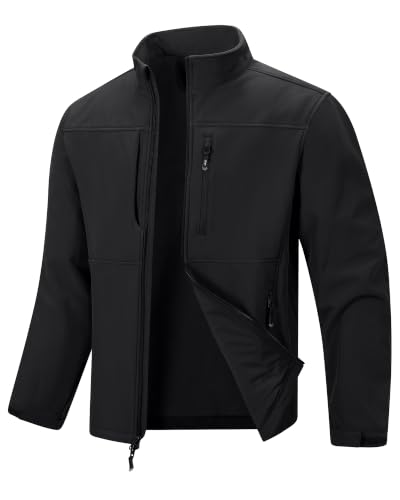

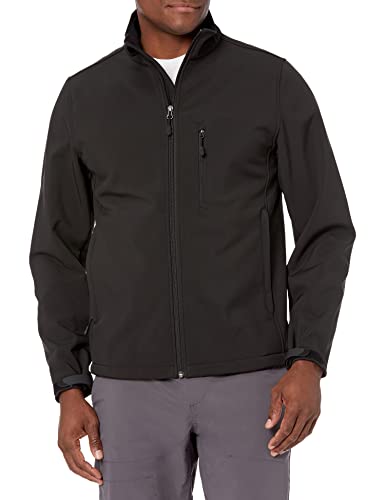

As an Amazon Associate we earn from qualifying purchases at no extra cost to you.
At a Glance: Softshell Jackets for Men Compared
| Model | Best for | Key stated features | Limits |
|---|---|---|---|
| Arc’teryx Gamma | Alpine, ski touring and demanding trips | The maker lists a stretch softshell construction with a water-repellent finish and an articulated cut | Premium tier; not fully waterproof |
| Outdoor Research Ferrosi | Hiking, climbing, warm-to-cool conditions | The maker lists a lightweight, breathable stretch-woven fabric with a durable water-repellent finish | Light insulation; best as a layer in cold weather |
| Patagonia Adze Hybrid | Active layering and cool-weather outings | The maker lists a hybrid design with softshell fabric and stretch panels for mobility | Not designed for heavy rain |
| Columbia Ascender | Budget everyday use | Water-resistant softshell with a lined interior, as described by the maker | Less refined fit and fabric than premium models |
| Marmot Rom 2.0 | Mid-range hiking and cool-weather use | Stretch softshell with a water-resistant finish, as listed by the maker | Check sizing and hood options for your needs |
Names, fabrics and features change with each season. Read the current product page for the exact fabric, weight, pocket layout and care instructions.
What a Softshell Jacket Does
A softshell trades full waterproofing for breathability and stretch. The face fabric is usually a woven stretch material with a durable water-repellent finish, which sheds light rain and snow but will eventually soak through in sustained wet weather. Many softshells have a fleece-like or brushed interior for warmth, while others stay unlined for warmer days. They are popular because they move with the body and do not rustle like a stiff hardshell.
Key Features to Compare
Fabric and weather resistance
Look at whether the maker describes the fabric as lightweight, mid-weight or heavy, and whether it has a membrane. Membraned softshells block more wind and moisture but may breathe less. Unmembraned fabrics breathe well but offer less wind protection. Match the fabric to the weather you expect.
Insulation and lining
A fleece-backed softshell adds warmth in cold conditions but can feel hot during effort. A lightweight, unlined jacket is easier to pack and layer. If you plan to wear a base layer and mid-layer underneath, a thinner softshell may be more versatile.
Fit and mobility
Softshells are meant to be worn close to the body to trap warmth and move easily. Look for articulated sleeves, a gusseted underarm or a stretch panel if you need to reach overhead for climbing or skiing. Check the length of the hem and sleeves against your torso and arms.
Hood, pockets and details
A hood adds versatility but may feel bulky. Pockets that sit above a pack hip belt are useful for hikers. Adjustable cuffs and hems help seal out drafts. These details are small but matter on long days.
Model Notes
Arc’teryx Gamma
The Gamma is a premium, mountain-oriented softshell. The maker lists a durable, stretch fabric with a water-repellent finish and an athletic, articulated cut. Outlets that review outdoor clothing describe it as a hard-wearing, breathable option for cold and variable conditions. It sits at the premium tier, which may be more than a casual hiker needs.
Outdoor Research Ferrosi
The Ferrosi is a light, breathable softshell widely recommended for hiking and climbing. The maker lists a stretch-woven fabric with a durable water-repellent finish. Reviewers report that it packs small, resists abrasion and works well as a wind layer. It is not very warm on its own, so many people pair it with a base layer or fleece in colder temperatures.
Patagonia Adze Hybrid
The Adze Hybrid mixes softshell panels with stretch and insulation features designed to balance warmth and mobility. The maker lists a hybrid design for active use. It suits people who want one jacket for a variety of cool-weather activities, although it is not intended for heavy rain.
Columbia Ascender
Columbia’s Ascender line is popular as a budget everyday jacket. The maker lists a water-resistant softshell with a lined interior. It suits commuting, errands and casual outings. Reviewers note that it offers good value but lacks the refined fit and breathability of premium alternatives.
Marmot Rom 2.0
The Rom 2.0 sits in the mid-range with a stretch softshell and a water-resistant finish. It is designed for active use in cool conditions. Check the maker’s description for hood and pocket details, and compare the cut with your preferred fit.
Fit and Sizing Notes
- Measure your chest and compare it with the size chart rather than assuming your usual size applies.
- Try the jacket with the layers you will wear underneath.
- Raise your arms to check that the hem does not ride up and the sleeves do not tug.
- Check the length if you plan to wear a pack, since a short jacket may expose your lower back.
- Remember that a closer fit generally improves warmth and mobility, while a looser fit is easier to layer.
Care Notes
Follow the washing instructions on the care label. Many softshells can be machine-washed gently, but fabric softeners can damage water-repellent finishes. Some makers recommend a periodic reapplication of a water-repellent treatment after washing, and tumble drying on low heat may help revive the finish if the label allows. Store the jacket dry and avoid long-term compression.
Pick X If… Decision Table
| If you… | Consider | Why |
|---|---|---|
| Want a premium alpine-ready softshell | Arc’teryx Gamma | Durable stretch fabric and an articulated cut |
| Hike or climb in changing conditions | Outdoor Research Ferrosi | Lightweight, breathable and packable |
| Want a versatile layer for cool weather | Patagonia Adze Hybrid | Hybrid construction for warmth and mobility |
| Need an affordable everyday jacket | Columbia Ascender | Water-resistant and lined |
| Want a mid-range hiking jacket | Marmot Rom 2.0 | Stretch softshell, water-resistant finish |
Alternatives Worth Considering
- Hardshell jackets: If you expect sustained rain, a waterproof shell with sealed seams is a better fit.
- Fleece jackets: For warmth without wind protection, a fleece may be more comfortable in dry, calm weather.
- Insulated hybrid jackets: For cold days, a hybrid with synthetic insulation in the core and stretch panels on the sides adds warmth with mobility.
Layering With a Softshell
A softshell works best as part of a system. In cool, dry conditions, a thin base layer under a softshell is often enough for walking. In colder weather, add a fleece or light insulated mid-layer, but keep the softshell snug enough that the layers do not bunch. When rain arrives, a packable waterproof shell goes over the top, and the softshell can stay in the pack until conditions improve. This approach is common among hikers because it avoids overheating on the climb and cooling too quickly at rest stops.
Think about activity level too. High-output pursuits such as trail running, climbing or ski touring generate a lot of heat, so a breathable, unlined softshell often feels better than a heavily lined one. Slow or stationary activities such as photography, spectating or commuting by bike in the cold may suit a lined or hybrid jacket. If you tend to run warm or cold, favour the option that gives you the easiest adjustment, such as a full-length front zip, underarm vents or a removable hood.
Finally, consider how the jacket will look and feel away from the trail. A neat, plain softshell can double as casual or smart-casual outerwear, which gives it extra value if you want one jacket for several settings. Reviewers often point out that a good softshell stays in regular use throughout the year, because it covers so many in-between days.
Frequently Asked Questions
Is a softshell jacket waterproof?
Most softshells are water-resistant rather than waterproof. They shed light rain and snow but will soak through in prolonged wet weather. If you expect heavy rain, carry a waterproof shell.
What is the difference between a softshell and a hardshell?
A softshell prioritises stretch and breathability, while a hardshell prioritises waterproofing and wind protection. Hardshells can feel stiffer and less breathable. Many people use both, depending on the conditions.
Can I wear a softshell in winter?
Yes, in many conditions, particularly with a warm base layer or fleece underneath. A lined softshell adds warmth, but very cold or wet weather may call for a heavier insulated jacket. Choose the layers to suit your activity level.
How should I wash a softshell jacket?
Follow the care label, which often recommends a gentle cycle and mild detergent. Avoid fabric softeners, which can reduce water repellency. Some makers suggest a water-repellent refresh after several washes.
How should a softshell fit?
It should sit close enough to trap warmth but leave space for layers and movement. Raise your arms to check that the sleeves and hem stay in place. Try the jacket with the layers you plan to wear.
Are expensive softshells worth it?
Premium models often offer more durable fabric, a more refined cut and better details, which can matter for demanding use. For casual wear, a budget or mid-range softshell may be enough. Match the jacket to how you will actually use it.




