
Key takeaways
- Budget tier: Entry 42-inch models such as the Agri-Fab 45-0320 handle routine leaf and grass cleanup. Expect smaller hoppers, lighter frames, and more frequent emptying.
- Mid-range tier: The 44-inch Agri-Fab and the Brinly 42-inch sit here. You gain capacity, better brush ratios, and sturdier construction.
- Premium tier: The 50-inch Ohio Steel and similar heavy-duty units offer the widest sweep path and rubber tires but cost more and take up the most room.
For most owners of a riding mower or garden tractor with a medium to large yard, a 42 to 44 inch tow-behind sweeper such as the Agri-Fab 44-inch model is the safest all-round choice, while heavy tree cover or acreage points toward a wider, heavier unit like the Ohio Steel 50-inch, and a quarter to half acre of mixed debris suits a compact Brinly 42-inch. Which one fits comes down to your tow vehicle, your debris, and how much storage space you have.
Our top picks


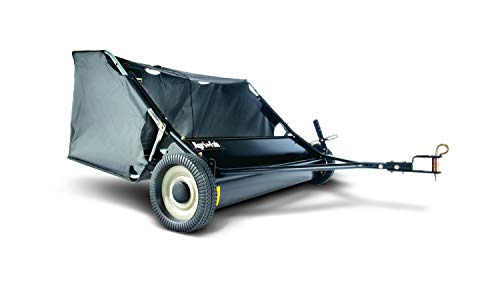

As an Amazon Associate we earn from qualifying purchases at no extra cost to you.
Tow-Behind Lawn Sweepers at a Glance
| Model | Best for | Key stated specs | Limits |
|---|---|---|---|
| Agri-Fab 45-0492 (44-inch) | Medium to large lawns with a riding mower | Reviewers list a hopper of about 25 to 28 cubic feet, dump handle reachable from the seat, brush-to-wheel ratio reported around 5.6:1 | Wide footprint; needs a hitch and room to store |
| Agri-Fab 45-0320 (42-inch) | Budget-minded buyers with a moderate yard | 42-inch sweep path, tow-behind design | Less capacity than the 44-inch version |
| Brinly 42-inch (LS2-42BH) | Quarter to half acre, uneven ground | Reviewers list about 20 cubic feet of capacity and a twist-lock height adjuster | Smaller hopper means more frequent emptying |
| Ohio Steel 50-inch (50SWP26) | Acreage, pine needles, acorns, heavy leaf fall | 26 cubic feet reported, rubber tires, adjustable brush speed | Largest footprint of the group |
| Ohio Steel 42-inch (42SWP22) | Mid-size yards with a tractor | Brush ratio reported near 4.5:1, 9-inch chute, collapsible hopper | Reviewers mention difficult tensioning rods during assembly |
Specifications above come from maker listings as reported by reviewers such as Bob Vila and several lawn-equipment roundup sites. These sites sometimes disagree on small details like hopper volume, so treat capacity numbers as approximate and read the maker’s sheet for the exact model you buy.
How a Tow-Behind Sweeper Works
A tow-behind sweeper hitches to a riding mower, garden tractor, or utility vehicle. As the wheels turn, they spin a cylindrical brush through a gear or belt drive. The brush flicks leaves, grass clippings, pine needles, small twigs, and acorns up and into a hopper. When the hopper is full, you pull a handle to tip the debris out. Because the brush is powered by the ground wheels, no engine is needed, which keeps maintenance low.
The brush-to-wheel ratio matters. A higher ratio means the brush spins faster relative to the wheels, which generally helps lift debris at normal mowing speeds. Reviewers note that a faster brush can pick up wet material better but also kick up more dust on dry days.
Agri-Fab 44-Inch: The Common Default
Several roundups name the Agri-Fab 45-0492 as the best choice for most yards. Reviewers point to the wide sweep path, large hopper, and the dump-from-seat handle that lets you empty the bin without stepping off the mower. Bob Vila gave it a top score in its roundup. The trade-off is size: a 44-inch sweeper plus the tow vehicle needs a wide gate and a garage bay or shed corner.
It suits owners who already have a riding mower and want to cut the autumn raking time on a half acre to a couple of acres. If your lot has narrow side gates, a 42-inch model may be easier to live with.
Brinly 42-Inch: Compact and Rugged
The Brinly LS2-42BH is often described as sturdy, with a twist-lock height adjuster that reviewers say holds its setting over rough ground. Capacity is reported at about 20 cubic feet, so you empty it more often on leaf-heavy lawns. It fits owners of a quarter to half acre who value build quality over maximum capacity.
Ohio Steel: Width for Heavy Debris
Bob Vila named the Ohio Steel 50-inch the best heavy-duty option, praising the rubber tires for traction and the easy brush-speed adjustment. Lawn-care reviewers suggest it for acreage, heavy tree cover, pine needles, and acorns because the extra width cuts the number of passes. The 42-inch Ohio Steel has a collapsible hopper that reduces storage space, which appeals to people with limited shed room. The one assembly complaint reviewers mention is the tensioning rods.
Budget Tiers and What You Give Up
- Budget tier: Entry 42-inch models such as the Agri-Fab 45-0320 handle routine leaf and grass cleanup. Expect smaller hoppers, lighter frames, and more frequent emptying.
- Mid-range tier: The 44-inch Agri-Fab and the Brinly 42-inch sit here. You gain capacity, better brush ratios, and sturdier construction.
- Premium tier: The 50-inch Ohio Steel and similar heavy-duty units offer the widest sweep path and rubber tires but cost more and take up the most room.
Fit, Size, and Compatibility Notes
- Tow vehicle: Confirm your mower or tractor has a rear hitch and enough clearance. Sweepers are generally designed for lawn and garden tractors, not walk-behind mowers.
- Width versus gates: Measure your narrowest gate or path. A 50-inch sweeper will not fit through many standard yard gates.
- Terrain: Slopes and uneven ground are harder on a wide trailing unit. Lower the hitch point and drive slowly on slopes.
- Debris type: Wet leaves clump and can clog the chute; pine needles and acorns need a stiffer, faster brush.
- Storage: Collapsible hoppers or removable handles reduce winter storage space.
Safety and Care
Read the owner’s manual before towing. Keep children and pets away from the machine while it is in motion, and never ride on or let anyone ride on a sweeper. Disengage or stop the tow vehicle, set the parking brake, and remove the key before clearing a jam or adjusting the brush. Wear sturdy gloves because bristles and twigs can be sharp. Hitch pins should be inspected before each use.
For care, empty the hopper after each session, brush away packed grass and wet leaves, and let the unit dry before storing it. Inspect the brush for worn bristles each season; maker manuals generally describe how to replace or lower the brush as it wears. Lubricate pivot points as the manual directs and keep tire pressure within the stated range if the model uses pneumatic tires.
Pick X If… Decision Table
| Pick this | If you… |
|---|---|
| Agri-Fab 44-inch | Own a riding mower, have a medium to large lawn, and want the most widely recommended all-rounder |
| Agri-Fab 42-inch | Want a lower-cost option for routine leaf and grass cleanup |
| Brinly 42-inch | Have a quarter to half acre with uneven ground and prefer rugged construction |
| Ohio Steel 50-inch | Deal with acreage, heavy tree cover, pine needles, or acorns |
| Ohio Steel 42-inch | Need a collapsible hopper to save storage space |
Alternatives to a Tow-Behind Sweeper
- Push lawn sweeper: Fine for small lawns and patios, no tractor required, but slow on large areas.
- Tow-behind lawn vacuum or bagger: Better for fine, dry debris and mulching, at the cost of an engine or powered attachment.
- Leaf blower with mulching mower: Many homeowners simply mulch leaves into the lawn with a mower, which removes the need to collect them at all, if the leaf layer is thin.
Seasonal Workflow Tips
Timing affects results as much as the model. Sweep after most leaves have dropped but before they are soaked by prolonged rain or covered by snow. Mow first at a moderate height, since short, chopped debris flows into the hopper more easily than long clumps. Set the brush height so the bristles just touch the grass tips; if it rides too low, the brush drags and wears faster, and if it rides too high, debris slips under it. Drive at a steady, modest speed, because the ground wheels power the brush and very slow travel reduces brush speed. Overlap each pass by a few inches so no strip of leaves is left behind.
Plan your dumping spot before you start. Tipping a full hopper on a compost pile, a mulch area, or a trailer saves a second handling step. Pine needles and acorns are lighter or rounder than leaves, so owners with oak and pine trees often prefer wider sweepers with stiffer brushes and accept more frequent stops.
Common Problems and Simple Fixes
- Debris spills back out: The hopper may be overfull or the height set too low. Empty it earlier and adjust the brush as the manual describes.
- Brush does not spin: Look at the drive belt or chain tension and for a jammed branch. Stop, set the parking brake, and remove the key before reaching in.
- Uneven pickup: Worn bristles or low tire pressure change the brush-to-wheel relationship. Replace worn parts as the maker directs.
- Hard to tow on slopes: Reduce speed, avoid sharp turns, and consider a narrower model for hilly ground.
Frequently Asked Questions
What size tow-behind lawn sweeper do I need?
Match the sweeper width to your tow vehicle and yard. A 42 to 44 inch unit suits most half-acre to two-acre lots, while a 50-inch model is aimed at larger properties. Measure your narrowest gate before choosing.
Can I pull a lawn sweeper with a zero-turn mower?
Some zero-turn mowers have a hitch and can tow light accessories, but the maker of your mower sets the towing limits. Check the mower manual and the sweeper manual for hitch compatibility and weight limits, since not every zero-turn is designed to tow.
Will a sweeper pick up wet leaves?
Reviewers generally say sweepers work best on dry or slightly damp debris. Wet leaves mat down and can clog the brush or chute, so waiting for a dry day usually gives better results.
How often should I empty the hopper?
It depends on leaf load and hopper size. Smaller hoppers around 20 cubic feet fill faster on heavy leaf days than 26 to 28 cubic foot hoppers. Dumping when the hopper is about full avoids overloading the brush and the frame.
How do I store a tow-behind sweeper over winter?
Empty it, brush off debris, let it dry, and store it indoors or under cover. Collapsible hopper models take up less space. Follow the maker’s manual for lubrication and brush adjustment before storage.
Are push sweepers a better choice than tow-behind units?
Push sweepers are cheaper and need no tractor, but they take far longer on large lawns. If you already own a riding mower and have more than about a quarter acre, a tow-behind sweeper usually saves considerable time.




