
Key takeaways
- Fit: the Nano Puff is reported to run small, so consider sizing up if you layer underneath. Compare the maker’s chart with your measurements.
- Length: a short hem gives freedom of movement but less coverage on the hips; longer styles keep you warmer when standing around.
- Hood: a hood adds warmth but takes up pack space.
- Packability: many puffers stuff into their own pocket, which is useful for travel.
- Care: wash according to the label, usually in a front-loading machine on a gentle cycle with a mild cleaner, and dry on low heat. Down puffers often benefit from clean tennis balls in the dryer to restore loft; follow the maker’s advice.
- Repairs: small tears in thin fabric can be patched with repair tape so insulation does not leak out.
For women who want a puffer that works as a true all-rounder, the Patagonia Nano Puff is the most widely reviewed synthetic option and suits mild to cool conditions, while the Patagonia Hi-Loft Nano Puff Hoodie is the warmer step up, and down-style puffers suit cold, dry days where weight and warmth matter most. The right puffer depends on climate, how often it will get wet, and whether you need it to pack small for travel.
Our top picks
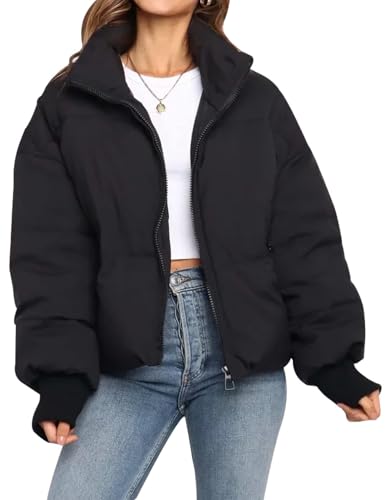


As an Amazon Associate we earn from qualifying purchases at no extra cost to you.
Women’s Puffer Jackets at a Glance
| Model | Best for | Key points reviewers report | Limits |
|---|---|---|---|
| Patagonia Nano Puff (women’s) | Everyday and travel layer in mild to cool weather | Synthetic insulation; OutdoorGearLab says it excels in wet conditions; packable; durable ripstop fabric per Treeline Review | Runs a little small; short hem; CNN Underscored wished it were warmer |
| Patagonia Nano Puff Hoody | Same use with added head coverage | Described as performing best in roughly 40 to 60 degrees Fahrenheit | Upper mid-range tier |
| Patagonia Hi-Loft Nano Puff Hoodie | Colder days, warmest in CNN’s synthetic group | CNN Underscored’s warmest pick among down alternatives | Premium tier; bulkier |
| Patagonia Micro Puff Hoody | Warmth for the weight | Treeline Review’s best synthetic jacket overall | Premium tier; delicate-feeling fabric |
Down or Synthetic: Choose First
Insulation type decides most other trade-offs. Down gives the best warmth for its weight and compresses small, but it loses insulating ability when soaked unless treated and it takes longer to dry. Synthetic fill is heavier for the same warmth, yet keeps insulating when damp and usually costs less. If you live somewhere rainy or want a jacket for commutes, a synthetic puffer such as the Nano Puff is the safer choice. For cold, dry climates, a down jacket usually wins. CNN Underscored’s testing of down jackets, which also covered down alternatives, makes a useful second reference.
Patagonia Nano Puff
The Nano Puff is the name that appears in nearly every review. OutdoorGearLab calls it a dependable synthetically insulated jacket that especially excels in wet conditions, and notes the fit runs a little small and the hem is short, giving less coverage. CNN Underscored found it solid all-around but unable to beat the other down-alternative jackets it tested, and its testers wished it were slightly warmer. Treeline Review’s long-term review praises durability: the ripstop fabric stops small holes from spreading. One 2026 review says Patagonia updated the jacket in 2025 with a more sculpted fit and better arm mobility, and that it performs best at roughly 40 to 60 degrees Fahrenheit.
Treeline Review adds that the Nano Puff has one of the lower warmth-to-weight ratios among the synthetic layers it considered. In practice, this means it is a layering piece and a mild-weather jacket, not a deep-winter coat.
Warmer Options
If the Nano Puff is not warm enough, CNN Underscored’s warmest down-alternative pick was the Patagonia Hi-Loft Nano Puff Hoodie. Treeline Review’s best synthetic jacket overall was the Patagonia Micro Puff Hoody, valued for its warmth for the weight. Both sit in the premium tier. Many other brands make puffers across budget and mid-range tiers; since this article relies on reviewed models, treat those as alternatives to compare using the same criteria below.
Fit, Size and Care Notes
- Fit: the Nano Puff is reported to run small, so consider sizing up if you layer underneath. Compare the maker’s chart with your measurements.
- Length: a short hem gives freedom of movement but less coverage on the hips; longer styles keep you warmer when standing around.
- Hood: a hood adds warmth but takes up pack space.
- Packability: many puffers stuff into their own pocket, which is useful for travel.
- Care: wash according to the label, usually in a front-loading machine on a gentle cycle with a mild cleaner, and dry on low heat. Down puffers often benefit from clean tennis balls in the dryer to restore loft; follow the maker’s advice.
- Repairs: small tears in thin fabric can be patched with repair tape so insulation does not leak out.
Budget Tiers
- Budget: basic synthetic puffers from mass-market brands for everyday wear; warmth and durability vary, so read the garment’s stated fill.
- Mid-range: the Nano Puff and comparable outdoor-brand puffers.
- Premium: Hi-Loft Nano Puff Hoodie, Micro Puff Hoody and high-fill-power down jackets.
Pick X If… Decision Table
| Pick this | If you… |
|---|---|
| Patagonia Nano Puff | want a packable, durable layer for mild to cool days and wet weather |
| Patagonia Nano Puff Hoody | want the same jacket with a hood |
| Patagonia Hi-Loft Nano Puff Hoodie | need more warmth in a synthetic jacket |
| Patagonia Micro Puff Hoody | prioritize warmth for the weight and accept a premium cost |
| A down puffer | live in a cold, dry climate and want the lightest warmth |
Alternatives
- Fleece jackets: breathable and warm for active use, but less wind-resistant.
- Insulated vests: useful for core warmth without arm bulk.
- Shell-and-layer systems: pair a thin puffer with a waterproof shell for rainy winters.
Retail reviews vary by tester, climate and activity, so compare several outlets before deciding. Prices and exact versions change between seasons, so use the maker’s page for current details.
Layering and Everyday Use
A puffer is easiest to use as part of a system. In shoulder seasons, a thin synthetic jacket such as the Nano Puff can be the outer layer on dry days and slip under a shell when rain arrives. In deeper cold, it acts as the warm middle layer beneath a longer coat. Reviewers note that the jacket packs into a small pouch, which makes it practical for flights, commutes and day hikes where the weather may change.
Durability and Sustainability
Thin fabric on lightweight puffers can snag on branches, zippers and backpack straps. Treeline Review’s long-term assessment praised the Nano Puff’s ripstop fabric for stopping small holes from spreading, which supports its reputation as a long-lasting layer. Repair tape and patches extend the life of any puffer. Makers often state recycled content in the shell and insulation, so read the product page if that matters to you. Choosing a jacket that fits well and suits your climate matters more than any label, because a jacket you wear often has the smallest footprint.
When storing a puffer for summer, avoid compressing it for months. Hang it or store it loosely so the insulation keeps its loft.
Common Buying Mistakes
A frequent mistake is assuming a puffy look means deep-winter warmth. Thin synthetic jackets are intended as layers, and reviewers describe the Nano Puff as best in moderate temperatures. Another mistake is skipping the shell: puffers resist light moisture but are not waterproof, and wet insulation loses much of its value, especially down. A third is ignoring the cut. A cropped puffer is stylish but leaves the hips exposed, while a longer one adds warmth at the cost of freedom of movement.
Also think about how you will carry it. If the jacket lives in a bag most of the day, packability and weight matter more than maximum loft. If it is your daily commuter coat, durability, a hood and a longer hem may count for more. Try it on with a sweater to confirm the shoulders and sleeves leave room, and raise your arms to see that the hem does not ride up.
Last, read the maker’s product page for the stated insulation type and weight, as these details differ between versions and seasons even within the same model line.
Frequently Asked Questions
Is the Patagonia Nano Puff warm enough for winter?
On its own it suits mild to cool conditions; one review places its best range at about 40 to 60 degrees Fahrenheit. CNN Underscored’s testers wished it were warmer. For winter it works as a mid-layer under a shell or coat, or choose the Hi-Loft Nano Puff Hoodie for more warmth.
Should I buy down or synthetic?
Choose down for the lightest warmth in cold, dry weather and synthetic for damp conditions, easier care and, often, lower cost. Synthetic fill keeps insulating when it gets wet, which is why the Nano Puff is praised in wet conditions.
Does the Nano Puff run small?
OutdoorGearLab says the fit runs a little small. If you plan to wear a thick layer underneath or prefer a looser fit, consider sizing up and consult the maker’s size chart.
Can I machine-wash a puffer jacket?
Most can be washed on a gentle cycle, but follow the care label. Use a mild cleaner, rinse well and dry on low heat; tennis balls in the dryer can help restore loft in down jackets.
Are puffer jackets good for rain?
Synthetic puffers handle damp conditions better than untreated down, but most are only water-resistant. In steady rain, wear a waterproof shell over the puffer.
What does warmth-to-weight mean?
It describes how much warmth a jacket gives for its weight. Treeline Review says the Nano Puff has one of the lower ratios among the synthetic layers it considered, while the Micro Puff Hoody was its top overall pick.




