
Key takeaways
- Layering room: If you plan to wear a fleece or sweater underneath, check how the maker describes the cut. Some technical jackets run slim.
- Length: A longer hem blocks wind and keeps your lower back warm, but it can bunch when you sit or drive.
- Hood: Hooded versions add warmth and wind protection; a helmet-compatible hood matters only for climbers and skiers.
- Cuffs and hem: Elastic or adjustable cuffs and hems hold in heat. Check these if you ride a bike or work outdoors.
- Pockets: Look for zipped hand pockets and an internal pocket for a phone, plus a stuff sack if packability matters.
For most men, a midweight down puffer such as the Patagonia Down Sweater Hoody or the Mountain Hardwear Ghost Whisperer suits cool-weather commuting, travel and light hiking, while a heavier jacket like the Rab Neutrino Pro suits people who stand around in real cold. Style-first buyers should look at parka-length options such as the North Face HMLYN Down Parka or the Fjallraven Nuuk Insulated Parka. The right choice depends on three things: how cold your winters get, whether you will be active or still, and how much rain or snow you meet.
This guide summarizes what independent outlets such as CleverHiker, The Inertia, InsideHook, FashionBeans and Yahoo’s shopping desk report about current men’s puffers, plus what the makers state on their product pages. Insulation weights, fill power and fabric details vary by model year, so read the current spec sheet before buying.
Our top picks

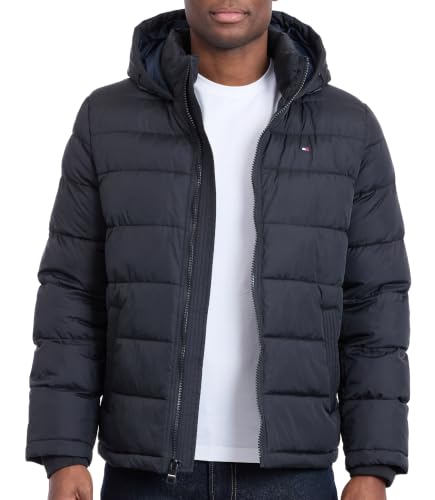


As an Amazon Associate we earn from qualifying purchases at no extra cost to you.
Puffer Jackets at a Glance
| Jacket | Best for | Insulation type | Main limit |
|---|---|---|---|
| Patagonia Down Sweater Hoody | All-round midweight daily use | Down | Down loses warmth when soaked |
| Rab Neutrino Pro | Serious cold, belay and camp use | Down, heavyweight | Bulkier and less suited to warm days |
| Mountain Hardwear Ghost Whisperer | Lightweight, packable warmth | Down, ultralight shell | Thin shell fabric can snag |
| Arc’teryx Cerium Hoody / Cerium SV | Technical use, alpine climbing | Down | Premium tier; the SV is a warmer cut |
| Budget co-op style down jackets | Entry-level warmth on a budget | Down | Usually heavier and less refined than premium options |
| North Face HMLYN Down Parka | City winters, longer length | Down | Bulky for hiking |
| Fjallraven Nuuk Insulated Parka | Everyday cold-weather parka | Insulated parka | Premium tier, heavy to carry |
| Canada Goose Crofton Puffer | Luxury, fashion-led buyers | Down | Premium tier; fashion over function |
Outlets disagree on which jacket is best overall. CleverHiker named the Rab Neutrino Pro its top down jacket with the Patagonia Down Sweater Hoody as runner-up, while InsideHook chose the Mountain Hardwear Ghost Whisperer 2 as best overall and the Arc’teryx Cerium SV for technical use. FashionBeans, which targets style buyers, favored the North Face HMLYN Down Parka.
Down or Synthetic Insulation?
Down is the usual choice for warmth relative to weight and for how small it packs. Makers rate down by fill power, where a higher number generally means more loft for the same weight. The trade-off is moisture: wet down clumps and insulates poorly, which is why many current jackets use a water-repellent finish on the shell, or treated down. Treated down helps in light rain but is not a substitute for a waterproof layer.
Synthetic insulation keeps more of its warmth when damp, dries faster and is easier to wash, but it is usually heavier and bulkier for the same warmth. It suits wet, cool climates and buyers who dislike the idea of caring for down. Some jackets blend the two, so read the maker’s description of what is inside.
Weight Classes Explained
Lightweight
Lightweight jackets such as the Ghost Whisperer series are built to stuff into a pack or a pocket. They work as a mid-layer under a shell, as a layer for brisk fall days and as a travel emergency layer. Expect a thin face fabric, and take care around rough rock, zippers and sharp edges.
Midweight
The Patagonia Down Sweater Hoody is the typical midweight pick: warm enough for cold mornings, slim enough to wear under a coat in deep winter, and tough enough for daily use. Reviewers often describe this class as the best single purchase for people who want one puffer for everything.
Heavyweight
The Rab Neutrino Pro and similar jackets carry more insulation for sub-freezing temperatures and long periods of standing still. They tend to be bulkier, more expensive and too warm for activity. Choose one only if your winters really need it.
Parka length
Parkas cover the hips and thighs and often add storm flaps, bigger hoods and more pockets. They suit commuters and city dwellers who want weather protection while walking or waiting for transit. They are less practical for climbing or hiking because of the extra length and weight.
Fit, Size and Layering
- Layering room: If you plan to wear a fleece or sweater underneath, check how the maker describes the cut. Some technical jackets run slim.
- Length: A longer hem blocks wind and keeps your lower back warm, but it can bunch when you sit or drive.
- Hood: Hooded versions add warmth and wind protection; a helmet-compatible hood matters only for climbers and skiers.
- Cuffs and hem: Elastic or adjustable cuffs and hems hold in heat. Check these if you ride a bike or work outdoors.
- Pockets: Look for zipped hand pockets and an internal pocket for a phone, plus a stuff sack if packability matters.
Care and Durability
Follow the care label on the specific jacket. Makers generally advise washing down jackets with a cleaner designed for down, drying on low heat, and adding clean tennis balls or dryer balls to restore loft. Store the jacket loosely rather than compressed for months. Small tears can usually be patched with the repair tape that many makers recommend, which keeps feathers from escaping. If a jacket is a fashion item with a coated or glossy shell, avoid high heat that could damage the finish.
Responsibly sourced down is a common label. Makers such as Patagonia publish their sourcing standards, so read that information if it matters to you.
Budget Tiers
| Tier | What to expect | Examples named by reviewers |
|---|---|---|
| Budget | Warm and simple; heavier, fewer features, shorter lifespan of the shell fabric | Decathlon Simond MT100 (CleverHiker), a co-op house-brand 650-fill down jacket (InsideHook, The Inertia), H&M water-repellent puffer (FashionBeans) |
| Mid-range | Better fabrics, higher fill power, refined fit, longer warranty | Patagonia Down Sweater Hoody, Mountain Hardwear Ghost Whisperer 2, Rab Neutrino Pro |
| Premium | Technical construction or luxury branding | Arc’teryx Cerium SV, Fjallraven Nuuk Parka, Canada Goose Crofton |
Pick X If…
| If you want… | Pick |
|---|---|
| One jacket for most cool-weather days | Patagonia Down Sweater Hoody |
| Maximum warmth for freezing conditions | Rab Neutrino Pro |
| Packable warmth for travel or a daypack | Mountain Hardwear Ghost Whisperer 2 |
| Technical performance for alpine use | Arc’teryx Cerium Hoody or SV |
| City winter coverage | North Face HMLYN Down Parka or Fjallraven Nuuk Parka |
| Low-cost entry to puffers | A budget 650-fill down jacket or the Decathlon Simond MT100 |
| Warmth that tolerates damp weather | A synthetic-insulated jacket |
Alternatives to a Puffer
- Insulated softshell or hybrid jackets: These add stretch and wind resistance and breathe better during activity, at the cost of some warmth.
- Fleece plus a shell: A fleece under a waterproof shell is more flexible in changing weather and easier to wash.
- Insulated vests: A puffer vest keeps your core warm while leaving arms free, a good layering piece for mild cold.
Mistakes to Avoid
Do not buy a heavyweight jacket for mild climates; you will end up carrying it. Do not rely on a water-repellent finish as protection in a downpour. Do not compare fill power across brands as a precise measure of warmth, because fit, baffle design and the amount of fill all matter. Also check that the shell fabric suits your use: ultralight shells trade durability for low weight.
How to Choose Between Similar Jackets
Start with climate. If most of your winter days sit near freezing and you walk or commute, a midweight down jacket or a parka covers you. If you spend long periods standing still, such as at a ski hill, a sports field or a work site, step up to a heavyweight jacket. If you travel often, a lightweight jacket that compresses small is easier to live with than a bulky coat you leave at home.
Next, think about layering. Many buyers wear a puffer over a base layer on cool days and under a waterproof shell in wet weather. A slim jacket is more versatile as a mid-layer, while a roomy parka works as the outer layer by itself. Try the jacket with the clothing you will actually wear, and check that your arms move freely when you reach forward.
Finally, weigh durability against weight. Ultralight face fabrics save grams but scuff more easily, which matters if you carry a pack or work around rough surfaces. A slightly heavier fabric usually lasts longer, and a jacket with a repair-friendly design and a clear warranty policy from the maker is a safer long-term purchase.
Frequently Asked Questions
Are puffer jackets warm enough for winter?
Many are, but it depends on the insulation weight and your activity. A midweight puffer can handle cold mornings and light snow, while very low temperatures or long periods outdoors call for a heavyweight jacket or extra layers. Check the maker’s guidance on temperature use, which is only a rough guide.
Is down better than synthetic insulation?
Down usually offers more warmth for its weight and packs smaller, while synthetic holds up better when wet and often costs less to care for. Choose down for dry cold and weight savings, and synthetic for damp climates.
Can I wash a puffer jacket at home?
Most can be machine washed on a gentle cycle using a cleaner made for down, then dried on low heat with dryer balls. Always follow the care label, because some fashion jackets with special coatings need different treatment.
What does fill power mean?
Fill power measures how much space an ounce of down fills, and a higher number generally means the down is lighter for a given warmth. It is only one factor, since total fill weight and construction also affect how warm a jacket is.
How should a puffer jacket fit?
It should be snug enough to trap heat without compressing the insulation, with room for a mid-layer if you plan to wear one. Raise your arms and reach forward to check that the hem and sleeves do not ride up.
Are puffer jackets waterproof?
Generally not. Many have a water-repellent coating that sheds light rain or snow, but sustained wet weather soaks through seams and zippers. Wear a waterproof shell over the puffer or choose a jacket the maker explicitly rates as waterproof.




